
CNC (Computer Numerical Control) drilling is a precise automated manufacturing process used to drill holes in various materials with high precision. This technology is fundamental to modern industries, providing an efficient and consistent method of drilling parts for various industries such as aerospace, automotive, electronics, and others. CNC drilling is part of the larger realm of CNC machining, encompassing a range of manufacturing techniques, including milling, turning points, and grinding, each suitable for different maneuvers. In this section, we will explore the core principles of CNC drilling, its mechanics, and applications.
1.1 Understanding CNC Drilling
CNC drilling utilizes computer systems to control drilling tools and processes. Unlike manual drilling, CNC drilling follows a set of pre-programmed instructions, known as G-code, which provides excellent accuracy and repeatability. G-code controls drill bit movement, spindle speed, feed rate, drilling depth, and other parameters, allowing for complex and precise operations that are difficult or impossible to accomplish manually.
The core function of CNC drilling is to create holes in the workpiece with different diameters, depths, and orientations. This process is used in a variety of applications, from producing simple through-holes to more complex operations like countersunks, countersinking, or tapping, where threads are cut inside the holes for use in screws or bolts.
CNC drilling machines can handle a wide range of materials, including metals like steel, aluminum, and titanium, as well as plastics, composites, and ceramics. This versatility makes CNC drilling an indispensable tool for manufacturing parts and components in industries like aerospace, where precision is paramount, and industries like construction and electronics often require high-speed production.
1.2 How CNC Drilling Works
The CNC drilling process begins with the digital design of the part, typically created using CAD (Computer-Aided Design) software. The design is then converted into a CNC program that contains all the necessary instructions that the machine needs to follow. These instructions are fed into the CNC drilling machine, which controls the drill bit movement, tool selection, and other aspects of the operation.
Here’s an overview of the CNC drilling process:
- Design and programming: An engineer or designer uses CAD software to create a 3D model of a part. By design, the CAM (Computer-Aided Manufacturing) program generates G-code that specifies the movement and operation of the drill bit.
- Material settings: The workpiece material is clamped on the machine table to ensure stability. Depending on the machine, several workpieces can be machined at the same time.
- Tool selection: CNC machines are often equipped with automatic tool changers (ATCs) to select the right drill bit for the job. Drill bits vary depending on the material and the type of hole required (e.g., a standard twist drill for through-holes or a specialized tool for countersunks).
- Drilling operations: A machine that executes a program that moves the drill bit to a precise position on the workpiece to drill a hole. Spindle speed, feed rate, and hole depth are all automatically controlled for consistent results.
- Finishing and inspection: After the drilling is completed, the accuracy and quality of the hole can be checked. Additional processes such as reaming or deburring can be used to improve the quality of the holes.
1.3 CNC drilling machine
CNC drilling machines vary in complexity, from simple single-axis setups to multi-axis systems capable of drilling at various angles and depths. The choice of CNC drilling machine depends on the type of hole required and the geometry of the workpiece. Some common types of CNC drilling machines include:
- Vertical CNC drilling machine: These machines have a vertically mounted spindle and are typically used to drill holes perpendicular to the surface of the workpiece.
- Horizontal CNC drilling machine: The spindle of these machines is placed horizontally, making it ideal for drilling holes on the sides of parts. They are commonly used in applications that require deep hole drilling.
- Multi-axis CNC drilling machine: These systems feature multiple axes of motion, allowing drilling at various angles without the need to reposition the workpiece. This feature is crucial for complex geometries, such as those found in aerospace or automotive components.
- CNC drilling center: Drilling centers combine drilling operations with other machining processes such as milling or tapping, giving them flexibility to meet various manufacturing needs.
1.4 The Importance of CNC Drilling in Modern Manufacturing
CNC drilling is a cornerstone of modern manufacturing, offering numerous advantages over manual drilling methods. The automation capabilities offered by CNC machines not only enhance productivity but also ensure a high degree of consistency in the parts produced. This is particularly important in industries such as aerospace, automotive, and electronics that require tight tolerances.
Key benefits of CNC drilling include:
- Precision and repeatability: CNC machines follow programmed instructions to achieve the same results every time. This is crucial for large-scale production, where slight changes in drilling can lead to part failure.
- Speed and efficiency: CNC drilling machines operate quickly, significantly reducing the time required to complete extensive work compared to manual methods.
- Versatile: CNC drilling is capable of handling a wide range of materials and hole types, making it suitable for a wide range of industries and uses. The machine can quickly switch between different tools and operations, allowing for greater flexibility in production.
- Complex hole types: CNC drilling can easily produce complex hole patterns with high precision, which is difficult or impossible to achieve with manual drilling.
- Safety: Since CNC machines operate autonomously after setup, they reduce the risk of operator injury, especially when it involves difficult materials or high-speed operations.
1.5 Common CNC drilling operations
In addition to drilling simple holes, CNC drilling technology also supports various drilling processes. Each operation has its own unique purpose and requires specialized tools and techniques. Some common CNC drilling operations include:
- Through hole drilling: the most basic operation, i.e., drilling holes in a material. This is common in many industries, from automotive to electronics.
- Blind hole drilling: Blind hole drilling is when the hole does not penetrate the entire thickness of the material, leaving a definite bottom. This drilling is often used in structural applications where through holes are not required.
- S-hole: Drill a tapered hole around the surface of the existing hole to mount the screw or bolt flush. This process is essential in applications that require a smooth, flat surface.
- Hoe hole: Similar to countersink holes, but with cylindrical grooves instead of conical grooves so that bolts or screws are flush with the surface. This is common in machine assembly.
- Throat tube: Tapping is the cutting of an internal thread in a hole so that a screw or bolt can be inserted. Tapping requires specialized tools that can be performed in conjunction with drilling in CNC drilling centers.
1.6 Applications of CNC drilling in various industries
CNC drilling plays a crucial role in many industries, as many products require precision holes for fastening, passing through fluids, or alignment. Here are a few industries where CNC drilling is particularly important:
- Aerospace: The aerospace industry demands high precision and tight tolerances for components such as turbine blades, fuselage panels, and engine components. CNC drilling is essential for creating the intricate hole patterns required in these applications.
- Car: From engine blocks to chassis components, the automotive industry relies on CNC drilling to mass-produce parts with consistent quality and precision. Multi-axis CNC machines are often used to drill complex geometries.
- Electronics: In electronics manufacturing, CNC drilling is used to create precise holes in printed circuit boards (PCBs). These holes are essential for connecting electrical components and often require extensive punching with high precision.
- Medical devices: The medical field uses CNC drilling to produce surgical instruments, implants, and other equipment that require high precision and cleanliness. Titanium and other special materials are often used, requiring specific drilling techniques.
1.7 The Future of CNC Drilling Technology
As CNC drilling technology evolves, several trends have emerged that will determine its future. These include advancements in multi-axis drilling machines, the use of artificial intelligence (AI) to optimize toolpaths, and the integration of additive manufacturing techniques with traditional subtractive machining. As tool materials and coatings continue to evolve, CNC drilling will become even more efficient and versatile, enabling manufacturers to push the boundaries of what is possible in their drilling operations.
What are the main types of CNC drilling?
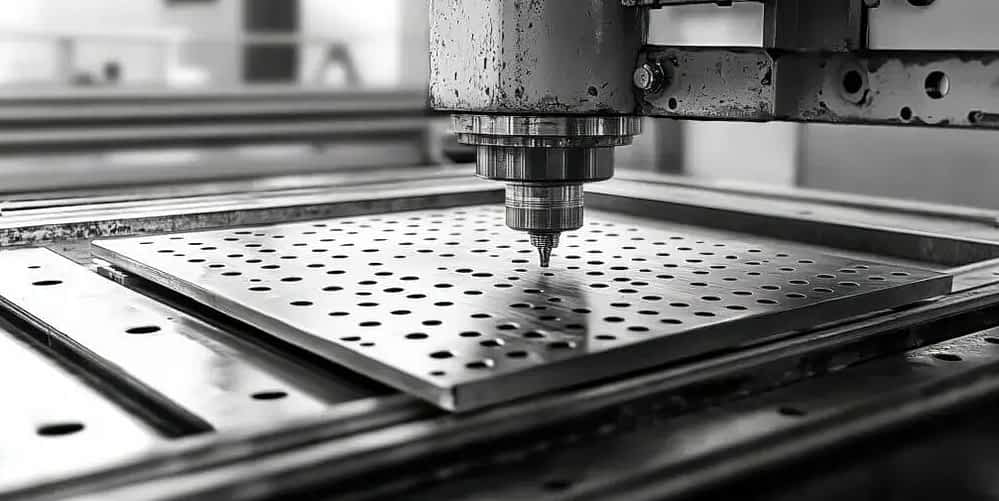
CNC drilling technology is versatile, and manufacturers can use various drilling techniques to meet specific application needs. Depending on the material, desired hole characteristics, and the complexity of the part, different types of CNC drilling operations can be employed. Each type of CNC drilling has unique characteristics that make it suitable for specific applications, and understanding the differences between them is crucial for optimizing the manufacturing process.
This section will explore the main types of CNC drilling techniques, their applications, and the machinery used to perform them.
2.1 Overview of CNC Drilling Types
Drilling techniques can be classified based on various factors, such as hole depth, diameter, and the nature of the drilling operation (e.g., through-hole vs. blind via). The following table outlines the main types of CNC drilling techniques:
| Drilling type | Description | Common Applications: |
|---|---|---|
| Standard drilling | Produces simple holes with uniform diameters. | Auto parts, general manufacturing. |
| Deep hole drilling | Specially designed to drill holes much deeper than their diameter. | Aerospace, Oil & Gas, Hydraulic Systems. |
| S-hole | Create a conical hole around the existing hole so that the screw or bolt is flush with the surface. | Electronics, automotive, aerospace. |
| Hoe hole | Drill a cylindrical groove to accommodate the bolt head or nut. | Mechanical components, structural components. |
| Fixed-point drilling | Initiate the drilling process to prevent the drill bit from drifting. | Precise alignment for subsequent drilling operations. |
| Peck drills | Drill alternately and retract the drill to remove chips. | Deep hole drilling, especially in difficult-to-machine materials. |
| Throat tube | Cut the internal thread inside the pre-drilled hole. | Mechanical fastening applications. |
2.2 Standard drilling
Standard drilling is the most common form of CNC drilling that drills into materials with a consistent hole size. In CNC machining, the drill bit is perpendicular to the workpiece surface, and the machine ensures precision in hole depth, diameter, and position. Standard drilling is widely used in a variety of industries, from automotive to electronics, as it provides fast and reliable results for relatively simple drilling requirements.
Common Applications:
- Automotive components: Mounting holes for creating screws, bolts, and fasteners.
- Consumer electronics: Drilling holes in electronic components such as printed circuit boards (PCBs) to create small, precise holes.
Advantages of standard drilling:
- Speed: Due to the simple nature of the task, the operation is fast.
- Platform precision: CNC systems ensure high precision, which is crucial for large-scale production where consistency is a concern.
Standard drilling is often used as the basis for more complex processes, including countersinks and tapping, which occur after the initial hole is created.
2.3 Deep hole drilling
Deep hole drilling is characterized by drilling more than 10 times the hole diameter. This type of drilling requires specialized tools and techniques to prevent the drill bit from shifting and overheating. Proper chip evacuation and coolant flow are crucial for deep hole drilling operations, often in challenging materials like steel or titanium.
Deep hole drilling is essential for industries that require long and precise drilling, such as oil and gas, aerospace, and automotive. Specialized tools, such as gun drills, are commonly used in deep hole drilling operations on CNC machines due to their rigidity and efficient chip evacuation capabilities.
Key features:
- Gun drill: A method commonly used for deep hole drilling where a high-pressure coolant is applied through a drill bit to assist in chip evacuation and cooling.
- Platform precision: Precise control of the drill’s feed rate and spindle speed is required to ensure accuracy over long distances.
| Parameters | Typical range for standard drilling | Typical range of deep hole drilling |
|---|---|---|
| Hole depth/diameter ratio | 1:1 5 to:1 | 10:1 100 to:1 |
| Spindle speed | Medium to high | Medium to low |
| Coolant application | Optional | Mandatory (High Voltage) |
Common Applications:
- Aerospace: Used in engine components and turbine blades, where long holes are required as cooling channels.
- Oil & Gas: Drilling of hydraulic components and deep exploration tools.
Challenges and Solutions:
- Chip evacuation: One of the biggest challenges in deep hole drilling is removing chips from the hole. Solutions include using pecking cycles, using high-pressure coolant, and using specialized drills like gun drills.
- Drilling deviation: Due to the depth of the hole, even a slight deviation in the drill bit path can lead to inaccuracies. CNC machines with precise feedback control systems help maintain accuracy.
2.4 Countersunk hole
Countersink machining is the process of enlarging the top of an existing hole to accommodate a screw or bolt head so that it is flush with or below the surface of the workpiece. This process is particularly important in applications where smooth surfaces are required, such as in aerospace or automotive assembly where drag must be minimized.
In CNC drilling, countersunk drilling can be integrated into drilling cycles, allowing the machine to switch between standard and countersunk hole machining in a single operation. This improves efficiency and reduces the need for manual intervention.
Common Applications:
- Aerospace: Use countersink fasteners to reduce drag on aircraft surfaces.
- Electronics: Devices such as laptops and smartphones require the use of flush screws for aesthetic and functional purposes.
Pros:
- A fusion of aesthetics and functionality: Ensure that the fasteners do not protrude from the surface, improving the overall appearance and functionality of the product.
- Efficiency and comfort: CNC machines can automatically switch between different drilling and countersink tools, thereby increasing production speed.
2.5 Countersinking holes
A countersink creates a flat-bottomed cylindrical groove around the hole, typically used to hold the head of a bolt or screw, flush with the surface of the part. This is different from countersines, which form tapered grooves. Countersinking is commonly used in mechanical assemblies that require strong, flush-mounted fasteners.
Common Applications:
- Mechanical components: In heavy machinery and automotive components, countersinking ensures that fasteners are securely in place without interfering with the overall design.
- Construction industry: Used in steel structures, ensuring that bolts are flush with the surface and avoiding protrusion that affects assembly or safety.
Challenges and Solutions:
- Tool wear: Since countersinking requires removing more material than standard drilling, tool wear can be significant. Countersink tools in CNC machines typically use high-quality, wear-resistant materials like carbides.
2.6 Fixed-point drilling
Spot drilling is a preparatory drilling technique used to create a small pilot hole before the actual drilling process. This pilot hole prevents the drill bit from shifting or deviating as it drills the final hole, ensuring precise alignment.
In CNC machining, spot drilling is often an automated part of the entire drilling cycle. The CNC machine will first create a spot drilling hole and then use the pilot hole as a guide for the main drilling operation.
Common Applications:
- Precision machiningSpot drilling is crucial when precise hole positioning is required, especially in industries such as aerospace and medical device manufacturing.
Pros:
- Prevents drill bit shift: Spot drilling ensures that the drill bit does not deviate from the intended path, especially when drilling into hard or uneven materials.
2.7 Pecking Drill
Pecking is a technique primarily used for deep hole drilling, but can also be applied to standard drilling operations for challenging materials. In pecking drills, CNC machines periodically retract the drill bit during drilling operations to break up chips and remove them from the hole, preventing clogging and reducing heat buildup.
Pecking drills are especially useful in materials like aluminum or stainless steel, where chip buildup can quickly become a problem. This technology is automated in CNC machines, where programs control the depth and retraction frequency of each peck.
Common Applications:
- Deep hole drilling: Often used in conjunction with deep hole drilling techniques, especially for harder materials that produce long chips.
- Precision manufacturing: Pecking drills are often used to maintain the integrity of the tool and workpiece when drilling precise deep holes.
Pros:
- Improved chip evacuation: Regular retraction of the drill bit ensures that chips are removed from the hole, enhancing precision and extending tool life.
- Reduces heat buildup: Frequent retraction of the tool gives the material and the drill time to cool, reducing thermal stress on both.
2.8 Tapping
Tapping is the process of cutting the internal thread inside a pre-drilled hole to allow for a screw or bolt to be inserted securely. CNC tapping machines use specially designed taps that are used to cut threads with high precision and consistency. In modern CNC systems, tapping is often integrated into the drilling process, allowing for both drilling and tapping operations to be completed in a single machine setup.
Common Applications:
- automobile manufacturing: Used in engine blocks, transmission housings, and other components that require fasteners.
- Electronics: Tapping is used to secure small screws in devices such as smartphones, laptops, and tablets.
Challenges and Solutions:
- Broken knives: Tapping is prone to tool breakage, especially when machining harder materials. CNC machines with automatic tapping cycles can dynamically adjust feed rates and spindle speeds to reduce the risk of breakage.
Pros:
- High accuracy: CNC machines ensure consistent thread quality, which is crucial for high-performance applications where fastener integrity is crucial.
- Save time and improve efficiency: CNC systems can be tapped in conjunction with drilling operations, reducing the need for manual tool changes and increasing production speed.
What are the main application areas of CNC drilling?
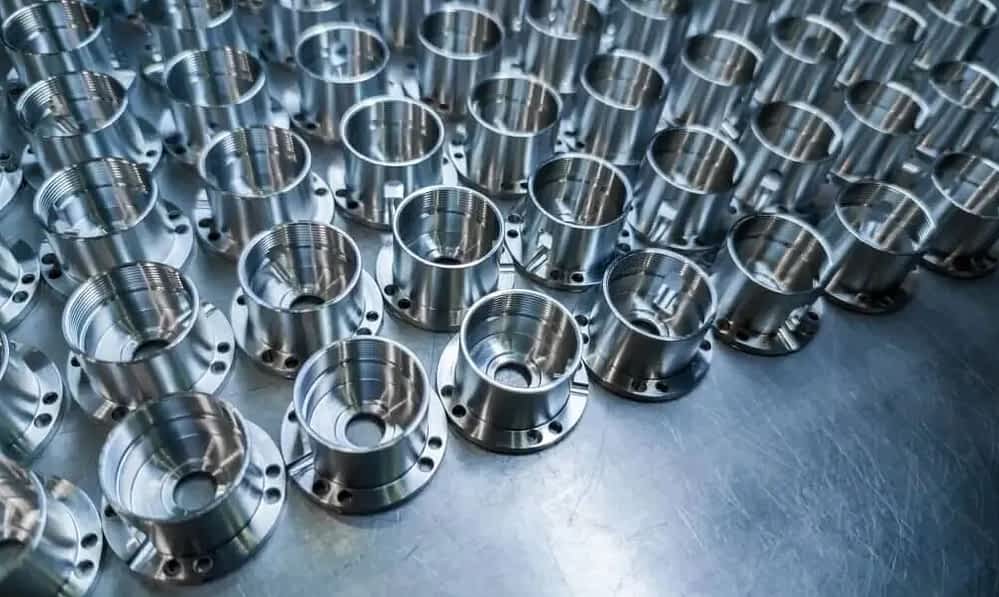
CNC drilling technology has become an essential component of modern manufacturing, playing a crucial role in various industries. Its ability to provide precise, repeatable, and efficient drilling processes opens doors to many application areas that require precision and efficiency. CNC drilling is versatile and adaptable, and can be used in industries such as aerospace, automotive, electronics, medical devices, and energy production. In this section, we will explore the key application areas of CNC drilling, discuss how each industry can benefit from this technology, and delve into specific examples of its use.
3.1 Aerospace industry
Due to the safety and performance requirements of aircraft and spacecraft, the aerospace industry requires some of the tightest tolerances and high quality standards. CNC drilling is crucial in this field, especially when creating components that require complex hole patterns, including those used as fluids, fasteners, or cooling channels.
Key Applications in Aerospace:
- Aircraft engine components: Turbine blades, engine housings, and combustion chambers often require deep and precisely aligned holes to allow air or coolant to pass through. These components are typically made from high-temperature materials like titanium and Inconel, requiring specialized CNC drilling techniques such as deep hole drilling or gun drilling.
- Fuselage assembly: Aircraft fuselage panels are typically joined using rivets, requiring high-precision drilling to ensure proper alignment and structural integrity. CNC drilling ensures that thousands of rivet holes are always within tight tolerances.
- Wing components: CNC drilling is used to create precision holes for fasteners in spars, ribs, and other critical components. The weight and aerodynamics of the wing are critical, so precise hole placement is essential to maintain structural strength without adding excess weight.
The following table outlines some common aerospace materials and the CNC drilling challenges associated with each:
| Materials | General use | CNC drilling challenge |
|---|---|---|
| Titanium | Engine components, fuselage | High heat generation, large tool wear, and slower feed speeds are required |
| Inconel | turbine blades | Difficult to process and requires specialized tools |
| Aluminum alloy | fuselage, wings | High-speed drilling and chip evacuation problems |
| Carbon composites | wing siding, fuselage structure | There is a risk of delamination, which requires careful control of the feed rate |
Example Case Study:
A leading aerospace manufacturer has reported significant improvements in turbine blade production after adopting CNC deep hole drilling. By automating the process and using specialized tools, they reduced cycle times by 30% and improved the positional accuracy of the holes, which directly improved engine efficiency and reduced fuel consumption.
3.2 Automotive industry
The automotive industry is a major beneficiary of CNC drilling technology. With the growing demand for lightweight, fuel-efficient vehicles, precision drilling is crucial in the assembly of engines, chassis, and other automotive components. CNC drilling is widely used in mass production and prototyping, allowing manufacturers to maintain tight tolerances and high production volumes.
Key Applications in the Automotive Sector:
- Engine block: CNC drilling is essential for machining oil passages, coolant channels, and bolt holes in engine blocks. Modern engines, often equipped with turbochargers, have complex structures that require extremely precise drilling to ensure proper fluid flow and mechanical fit.
- Transmission housing: Transmissions involve many complex components that require precision drilling for assembly and fluid channeling. CNC machines ensure that each housing is drilled to exact specifications, ensuring proper functioning and durability.
- Chassis components: Frames, control arms, and suspension components all rely on CNC drilling to create precise mounting points for fasteners. Lightweight materials like aluminum and high-strength steel are widely used, requiring different CNC drilling techniques to handle the specific properties of each material.
- exhaust system: CNC drilling is also used in exhaust systems to drill for sensors and mounting hardware, which is critical for emissions control and vehicle performance.
Advantages of CNC drilling in the automotive industry:
- High-speed production: Automotive manufacturers benefit from the ability of CNC machines to quickly produce thousands of identical parts with precise hole placements.
- Adaptability of prototypingDuring the prototyping phase of vehicle designs, CNC drilling allows for rapid iterations, making it easier for engineers to test different designs and layouts.
- Target material diversity: CNC drilling can easily handle a wide range of materials used in automotive manufacturing, from lightweight aluminum to high-strength steel.
Example Case Study:
A global automotive company uses CNC drilling to reduce engine block production cycles by 20%. By optimizing feed rates and using high-precision carbide tools, they significantly improved efficiency while maintaining tight tolerances in the oil channel holes, which helped reduce overall engine weight and improve fuel efficiency.
3.3. Electronics industry
In the electronics industry, precision and miniaturization are paramount. CNC drilling plays a crucial role in the production of electronic devices, particularly printed circuit boards (PCBs) and component housings. With the increasing complexity of electronics, including mobile devices, computers, and consumer electronics, CNC drilling is essential for creating a large number of small, high-precision holes needed to house electronic components and ensure proper assembly.
Key Applications in Electronics:
- Printed circuit boards (PCBs)😛 CB requires a large number of tiny holes to accommodate component leads and ensure electrical connections between different layers of the board. CNC drilling machines equipped with high-speed spindles can create thousands of such small holes with extreme precision.
- Equipment housing: CNC drilling is used to create openings for buttons, connectors, and sensors in device enclosures, such as smartphones, tablets, and laptops. The drilling process must ensure that the holes are perfectly aligned to meet design specifications and maintain the aesthetic integrity of the product.
- Radiator and cooling system: CNC drilling is used in the production of heat sinks, where precise holes are drilled to improve airflow and cooling efficiency in electronic devices, especially in high-performance computing and gaming systems.
Challenges of CNC Drilling in Electronics:
- Miniaturization: As electronic devices become smaller, so does the need for ultra-precision micro-hole drilling. CNC machines must be able to drill these holes with high precision without damaging delicate components.
- Material considerations: Many electronic components are made of fragile materials like ceramics or plastic, so they need to be handled carefully during drilling to avoid cracking or deformation.
The following table provides an overview of the different types of electronic components and their corresponding CNC drilling applications:
| elements | CNC drilling applications | Material considerations |
|---|---|---|
| Printed circuit boards (PCBs) | Drilling of component leads and vias | Thin materials that require high-speed, small-diameter drill bits |
| Equipment housing | Openings for connectors, buttons, sensors | Plastic, metal, focus on aesthetics |
| Heat sink | Holes for improved airflow and cooling | Metals need to be placed precisely for maximum efficiency |
3.4. Medical device industry
CNC drilling is essential in medical device production, where precision and hygiene are paramount. From surgical instruments to implants, CNC drilling ensures that medical devices meet the stringent requirements of the medical industry. Additionally, CNC drilling is used to machine complex geometries in biocompatible materials such as titanium, stainless steel, and specialized polymers used in implants and surgical tools.
Key Applications in Medical Devices:
- Implants: CNC drilling is used to create bone screws, hip replacements, dental implants, and other medical implants that require precise dimensions and smooth surfaces to ensure proper bonding with human tissue.
- Surgical instruments: Many surgical instruments such as scalpels, forceps, and biopsy needles require holes to fit fasteners or pass fluids. CNC drilling ensures the high precision required for these critical applications.
- Orthopedic equipment: Knee and hip replacements, as well as other orthopedic devices, often require complex hole patterns to accommodate screws and fasteners. CNC drilling machines are used to create these holes with the required precision to ensure instrument functionality and patient safety.
Regulatory Considerations:
Medical devices are subject to strict regulatory standards, including ISO 13485 and FDA requirements. CNC drilling must adhere to strict quality control measures to ensure that the instruments meet these standards.
Example Case Study:
A leading medical device manufacturer uses CNC drilling to produce titanium bone screws with micron-level accuracy. By integrating advanced CNC technology into their production lines, they were able to reduce defect rates by 15%, enhancing the quality and reliability of their surgical implants.
3.5 Energy and oil and gas industry
The energy industry, particularly oil and gas, relies heavily on CNC drilling to produce components for exploration, extraction, and refining processes. Deep hole drilling is particularly important in this industry, where equipment such as pumps, turbines, and pipelines require precision drilling.
Key Applications in Energy, Oil & Gas:
- Pipe components: CNC drilling is used to drill holes in pipeline flanges, valves, and fittings, ensuring that these components meet the high-pressure requirements of oil and gas transportation systems.
- Hydraulic system: In oil exploration and hydraulic fracturing, CNC drilling is used to create precise holes in hydraulic components for fluid channels. This drilling ensures that these systems can withstand extreme pressures and temperatures.
- Turbine blades and rotors: The energy industry also relies on CNC drilling to produce gas and steam turbine blades. These components require holes for cooling channels to maintain operational efficiency and prevent overheating of the power plant.
CNC Drilling Challenges in Energy:
- Harsh operating environment: Components used in the energy industry must withstand harsh environments, including extreme temperatures, high pressures, and corrosive conditions. CNC drilling must ensure the integrity and durability of these components, especially when working with materials like stainless steel, Inconel, or titanium.
- Deep hole drilling: Many components in the oil and gas industry, such as hydraulic cylinders, require deep hole drilling to create fluid channels that run through the entire length of the part. This requires specialized CNC machines and tools that can maintain precision over long distances.
Example Case Study:
An energy company uses CNC deep hole drilling to improve the efficiency of hydraulic cylinders in oil rigs. By optimizing the drilling process, they reduced production costs by 25% and extended the life of their hydraulic cylinders.
This section highlights the importance of CNC drilling in various industries, showcasing its versatility and importance in modern manufacturing. Each application sector benefits from the precision, efficiency, and adaptability of CNC drilling, driving advancements in technology and product development.
How is CNC drilling different from other CNC machining techniques?
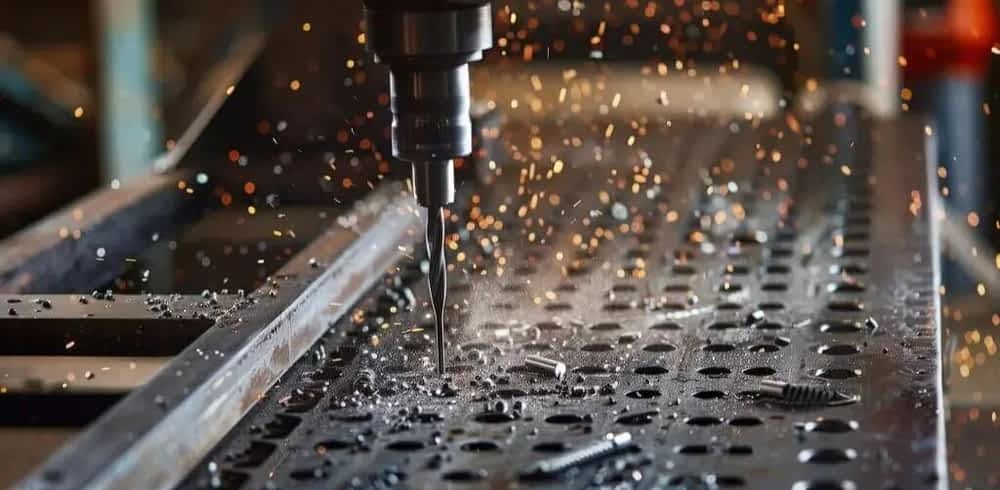
CNC (Computer Numerical Control) machining encompasses a range of processes, including drilling, milling, turning, and grinding, each serving different purposes. CNC drilling is often regarded as one of the most basic machining operations and is primarily used to drill holes in a workpiece. However, its role in the larger scope of CNC machining is unique due to its specific applications and techniques. In contrast, milling, turning, and other CNC processes have their own specialized features designed to cut, shape, and modify materials in ways that are not possible with drilling.
This section explores the fundamental differences between CNC drilling and other CNC machining techniques, highlighting factors such as tool geometry, motion control, material interactions, and their unique advantages in specific applications. By understanding these differences, manufacturers can choose the right CNC technology to meet their specific production requirements.
4.1 Overview of CNC machining technology
First, let’s define and differentiate some key CNC machining techniques:
| CNC technology | Description | Typical applications: |
|---|---|---|
| CNC drilling | The machining process of creating cylindrical holes by rotating the drill bit into the workpiece. | Create through-holes, blind holes, countersunk holes, and tapping. |
| CNC milling machine | A rotating cutting tool is used to propel the tool through the workpiece to remove material. | Create complex geometries, slots, grooves, and surface finishes. |
| CNC turning | The process by which the workpiece rotates while the cutting tool is fixed to remove material. | Cylindrical parts such as shafts, bearings, and bushings are produced. |
| CNC grinding | Abrasive cutting produces a fine surface finish and achieves tight tolerances. | Final finishing and surface smoothing of hardened parts. |
These methods differ in terms of methods, tools used, and the type of parts produced. While CNC drilling focuses solely on drilling, milling, turning, and grinding offer a broader range of material removal capabilities.
4.2 CNC Drilling vs. CNC Milling
CNC drilling and CNC milling are often compared because both processes use rotating tools. However, their applications and mechanisms are quite different.
4.2.1 CNC drilling mechanism
CNC drilling is specifically designed to drill holes in materials. The process uses a drill bit, which is a cylindrical tool with a sharp cutting edge that rotates at high speeds to penetrate the material. The depth, diameter, and shape of the hole depend on the type of drill bit and the settings programmed in the CNC machine.
Drilling typically involves the following steps:
- Positioning: The drill bit is positioned at a specified point on the material.
- Rotate and cut: The drill bit rotates at a specified RPM (revolutions per minute) and enters the material to remove it, creating a cylindrical hole.
- Coolant: In many cases, coolant is used to prevent overheating and ensure smooth chip evacuation.
4.2.2 CNC milling mechanism
CNC milling is a more extensive machining process where material is removed from a workpiece using a rotating cutting tool, known as a milling cutter or end mill. Unlike drilling, where the tool primarily moves along the Z-axis (up and down), milling involves complex movements in all three axes (X, Y, and Z). This allows milling machines to create more complex shapes, including flat surfaces, slots, grooves, and contours.
Main Differences Between CNC Milling:
- Tool movement: Milling tools can move in multiple directions, enabling the carving of intricate shapes and designs into materials.
- Material removal: Milling can quickly remove large amounts of material, making it suitable for roughing and finishing operations.
- Versatile: CNC milling is versatile and can handle tasks such as face machining, grooving, and contouring that are not possible with CNC drilling.
| Features: | CNC drilling | CNC milling machine |
|---|---|---|
| Key features: | Create holes. | Remove material to create various shapes. |
| Tool movement | Linear (usually along the Z axis). | Multi-axis motion (X, Y, Z). |
| How many tools are there? | Drill bit (cylindrical). | end mills, ball nose mills, etc |
| Application: | Drilling, tapping, countersunk holes. | Grooves, cavities, surface processing. |
| Material removal rate | For hole formation, the difficulty is moderate to high. | High for general material removal. |
App Comparison:
- CNC drillingIt is ideal for machining holes with consistent diameter and depth, clean, and accurate holes, and can handle complex operations such as tapping and countersinks.
- CNC milling machineIt is better suited for creating complex parts that require multiple machining operations, such as surface profiles, slots, and curve profiles.
4.3 CNC Drilling vs. CNC Turning
CNC drilling focuses on drilling holes, while CNC turning is a process used to produce parts that are primarily cylindrical. Turning involves rotating the workpiece on a lathe while holding the cutting tool to remove material. This process is best suited for creating symmetrical objects such as shafts, bushings, and other rotationally symmetrical parts.
4.3.1 CNC drilling in the turning center
In many CNC turning operations, drilling is part of the process. Modern CNC lathes often feature real-time tooling options, allowing secondary operations such as drilling, tapping, and milling to be performed without removing the workpiece from the machine. This combination is highly effective for producing parts that require cylindrical features and drilling.
Main Differences Between Drilling and Turning:
- Material movement: In CNC drilling, the drill bit rotates while the workpiece remains stationary. In CNC turning, the workpiece rotates while the cutting tool remains stationary.
- Generated geometry: CNC drilling creates linear holes, while CNC turning produces cylindrical holes.
- ToolingTurning: Turning uses cutting inserts designed for side or contouring operations, while drilling uses cylindrical drills.
| Features: | CNC drilling | CNC turning |
|---|---|---|
| Material movement | The workpiece is stationary and the tool rotates. | The workpiece rotates and the tool is stationary. |
| Finished product shape | Holes of varying depth and diameter. | Cylindrical, symmetrical parts. |
| Common tools | Drills, taps, countersinks. | Turning blades, boring bars. |
| Operating axis | Usually the Z-axis (tool along the axis). | X and Z axes (rotational motion). |
App Comparison:
- CNC drillingUsed to machine precise holes in stationary workpieces and can be combined with turning to handle parts that require drilling and turning features, such as fastener holes in engine components or cylindrical parts.
- CNC turningIt is optimized for producing cylindrical parts such as shafts, pins, and bushings, making it an essential component in industries such as automotive, aerospace, and heavy machinery.
4.4 CNC Drilling vs. CNC Grinding
CNC grinding is fundamentally different from CNC drilling and CNC milling. Grinding is an abrasive machining process used to achieve tight tolerances and fine surface finishes. Drilling and milling involve cutting materials with sharp edges, while grinding uses a rotating grinding wheel to wear away small amounts of material.
4.4.1 CNC Grinding Mechanism
In CNC grinding, a grinding wheel is a circular tool made of abrasive materials such as alumina or silicon carbide. The grinding wheel rotates at high speed and makes contact with the workpiece surface, removing tiny material fragments in a controlled manner. Grinding is often used to finish hardened components or achieve high levels of dimensional accuracy.
Main Differences Between Grinding and Drilling:
- Material removal methods: CNC drilling uses a cutting edge to remove material, while grinding uses abrasive particles.
- Surface treatment: Grinding is often used to achieve very fine surface finishes (up to 0.1 microns) and tight tolerances, making it ideal for finishing hardened surfaces after heat treatment.
- Application:: Grinding is used to finish parts that require a smooth surface, while drilling focuses on drilling.
| Features: | CNC drilling | CNC grinding |
|---|---|---|
| Material removal methods | The cutting action is performed by rotating the drill bit. | The grinding action is carried out by rotating the grinding wheel. |
| Surface treatment | Standard to medium. | Ultra-fine (up to 0.1 microns). |
| Practical application | Drilling, tapping, countersunk heads. | Surface finish, dimensional accuracy. |
| Tolerance range | Medium tolerance (±0.01 to ±0.05 mm). | Tight tolerances (±0.002 to ±0.01 mm). |
App Comparison:
- CNC drillingIt is used for roughing and semi-finishing hole operations and is the most efficient way to create through, blind, and threaded holes.
- CNC grindingIt is commonly used for finishing operations that require ultra-smooth surfaces and tight tolerances, such as bearing surfaces, camshafts, and precision tooling.
4.5 CNC Drilling and Hybrid Machining Solutions
In many modern manufacturing environments, CNC drilling is integrated into hybrid machining solutions, where multiple processes are performed on a single machine. This is especially true for multi-axis machining centers and CNC turning centers with live tooling capabilities.
Hybrid Solutions:
- Drilling and milling: CNC machines often integrate drilling and milling operations to handle complex parts that require drilling and surface machining. A typical example is aerospace component manufacturing, where parts may require through-holes, slots, and surface treatments.
- Turning and drilling: CNC lathes equipped with live tooling allow for turning and drilling parts in the same setup, eliminating the need for secondary machining operations. This is very effective for producing components such as hydraulic cylinders that require an external profile and internal holes.
Hybrid machining reduces the time and cost required to transfer workpieces between different machines, improving overall efficiency and reducing the chances of errors.
This section provides a comprehensive comparison of CNC drilling and other CNC machining techniques, highlighting their unique characteristics and applications. By understanding these differences, manufacturers can make informed decisions about which machining process is best suited for their production needs.
How to choose the right CNC drilling equipment?
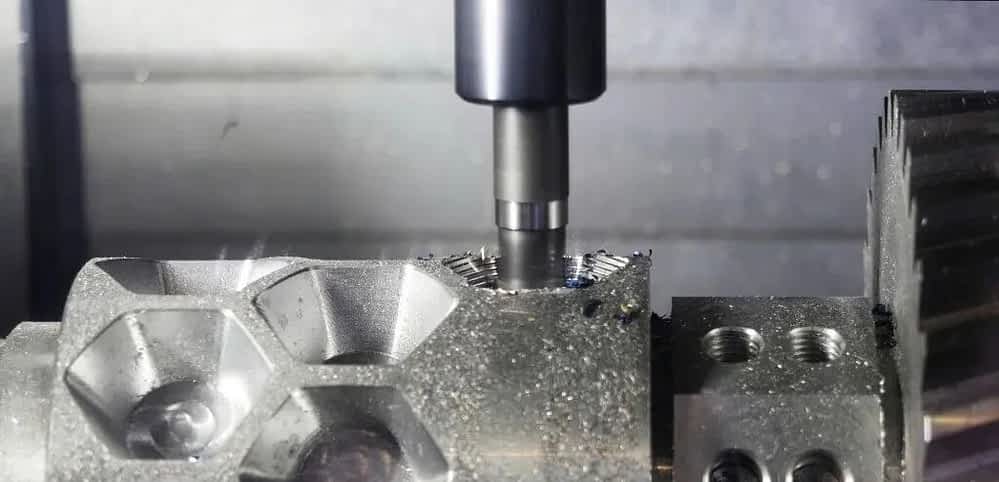
Choosing the right CNC drilling equipment is crucial for ensuring precision, efficiency, and cost-effectiveness in the manufacturing process. The choice of equipment is influenced by factors such as material type, production volume, part complexity, and the specific drilling requirements of each application. In this section, we will explore how to evaluate these factors to select the right CNC drilling machine, tooling, and associated components for different industries and use cases.
5.1 Key Factors to Consider When Selecting CNC Drilling Equipment
There are several key factors to consider when selecting CNC drilling equipment. Each factor plays a pivotal role in determining the overall performance of the machine and its suitability for the intended application. Here are the most important factors:
5.1.1 Material Type
This material to be drilled is one of the main factors influencing the choice of CNC drilling equipment. Different materials vary in hardness, thermal conductivity, and machinability, all of which can affect tool wear, heat generation, and the overall drilling process.
- Soft materials (e.g., aluminum sheets, plastics): Soft materials often require lower-powered CNC machines and standard drill bits. These materials have high machinability, and the main challenge is chip evacuation and maintaining surface finish. High-speed CNC machines equipped with appropriate coolant systems can handle these materials efficiently.
- Hard materials (e.g., iron plates, titanium, Inconeral): Harder materials require robust CNC machines with higher torque, stiffness, and the ability to withstand drill bit wear. For materials like titanium or Inconel, specialized tools like carbide or diamond-coated drills are often required to maintain tool life and precision.
- Composite materials such as carbon fiber, fiberglass and reinforced plasticsComposites present unique challenges, such as delamination or wear, especially at the entrance and exit of holes. CNC machines for drilling composites require precise control over feed rates and spindle speeds to minimize damage.
The following table summarizes considerations based on material type:
| Materials | Machine requirements: | Tooling | Challenge |
|---|---|---|---|
| Aluminum, plastic | High-speed, medium-power machine | Standard Drill Bits, HSS (High-Speed Steel) | Chip evacuation, surface finish |
| Steel, titanium, and Inconer | High-power, high-rigidity machine equipped with a cooling system | Carbide, diamond coated drill bits | Tools wear and heat up |
| Composite materials (carbon fiber, fiberglass) | Precision control machine | Special composite drill bits | Delamination, wear |
5.1.2 Types and complexity of holes
The type and complexity of the holes being drilled also play a significant role in choosing the right CNC drilling equipment. Different types of holes, such as through, blind, countersunk, and threaded holes, require different tools and machine features.
- Through hole: Basic through-holes are relatively simple and can be drilled using standard CNC machines. But the ratio of depth to diameter needs to be considered, especially deep holes.
- Blind holes: These holes do not run through the entire material, and depth control is critical. CNC drilling machines with advanced depth sensing and positioning capabilities are essential for ensuring precision.
- Countersunk and countersunk holes: For applications where fasteners need to be flush with the surface of the material, countersink and countersinking operations are required. CNC machines with tool changers are ideal for handling multiple drilling processes in a single setup.
- Throat tube: For holes that need to accommodate threaded fasteners, tapping operations are essential. CNC drilling machines equipped with automatic tapping tools or powered tools (at the turning center) allow for a seamless transition between drilling and tapping operations.
5.1.3 Production volume and speed
Production volume and cycle time requirements are also major factors in choosing the right CNC drilling equipment. Manufacturers with high-volume production needs will prioritize machines that offer faster cycle times and higher outputs.
- Mass production: For high-volume production, it is best to use CNC machines with automated features, such as automatic tool changers (ATCs), multi-spindles, or pallet changers. These features reduce downtime and allow for continuous operation, minimizing operator intervention.
- Prototyping and low-volume production: For prototyping or low-volume production, flexibility and ease of setup are more important than speed. CNC drilling machines that can quickly adapt to different part designs, materials, and hole geometries are ideal for such production environments.
5.1.4 Machine configuration: vertical and horizontal CNC drilling machines
Another important consideration is choosing between a vertical or horizontal CNC drilling machine. Both configurations offer unique advantages depending on the application.
- Vertical CNC drilling machine: In vertical machines, the spindle is placed vertically. This is the most common configuration for universal drilling and provides excellent visibility to the operator. Vertical machines are suitable for machining small to medium-sized parts and are commonly used in industries such as automotive, electronics, and aerospace.
- Horizontal CNC drilling machine: Horizontal machines have a horizontally oriented spindle. They are better suited for machining larger, heavier parts and deep hole drilling applications. Horizontal CNC drilling machines offer better chip evacuation performance, which is especially useful when drilling deep holes or machining materials that produce long, slender chips, such as aluminum or plastic.
The following table highlights the key differences between vertical and horizontal CNC drilling machines:
| Types of machines | Performance | Typical applications: |
|---|---|---|
| Vertical CNC drilling machine | Better visibility and easier handling of smaller parts | Automotive, electronics, aerospace |
| Horizontal CNC drilling machine | Better chip evacuation effect, suitable for large parts | Large-scale machining, deep hole drilling |
5.1.5 Automation and Tool Management
Automation is becoming increasingly important in CNC drilling, particularly in industries where high-volume production and consistent quality are crucial. Key features associated with automation include:
- Automatic Tool Changer (ATC)ATC allows CNC machines to automatically switch between different tools, such as drills, taps, and end mills, without manual intervention. This greatly increases production efficiency for operations that require multiple hole types and operations.
- Tool monitoring system: Advanced CNC drilling machines are equipped with tool monitoring systems that track tool wear, breakage, and performance. These systems automatically adjust cutting parameters to optimize tool life and maintain accuracy.
- Robot integration: Some CNC drilling units can be integrated with robotic systems for loading and unloading parts, further reducing downtime and increasing automation.
5.1.6 Tolerance and accuracy requirements
Precision and accuracy are key considerations when selecting CNC drilling equipment, especially in industries such as aerospace, medical devices, and electronics that require tight tolerances. Factors such as spindle accuracy, machine rigidity, and tool stability can all affect the machine’s ability to meet tolerance requirements.
- High precision CNC drilling machine: For applications requiring extremely tight tolerances, such as ±0.001mm, specialized high-precision CNC drilling machines with linear encoders, shock absorption, and high-rigidity structures are required.
- Standard tolerance CNC drilling: In applications where standard tolerances can be accepted, such as ±0.05mm, a general-purpose CNC drilling machine with lower rigidity and a standard spindle configuration is sufficient.
5.2 Types of CNC drilling machines
Once you understand the main factors that influence the choice of CNC drilling equipment, it’s time to explore the different types of CNC drilling machines available in the market. Each type of machine is optimized for specific applications, offering different levels of precision, speed, and versatility.
5.2.1 CNC drilling center
CNC drilling centers are highly specialized machines primarily used for drilling operations, but they can typically handle secondary operations such as tapping, reaming, and countersinking. Drilling centers are typically equipped with multiple spindles or automatic tool changers (ATCs) that can handle a wide range of hole machining tasks in a single setup.
Performance:
- Focus on drilling, ensuring high speed and efficiency.
- Multiple drilling operations can be performed without repositioning the workpiece.
- Suitable for high-volume production environments.
Typical applications:
- Aerospace component manufacturing (e.g., turbine blades, fuselage panels).
- Automotive parts with multiple hole machining requirements.
5.2.2 Multi-axis CNC machine tools
Multi-axis CNC drilling machines, such as 4-axis and 5-axis machines, offer additional flexibility for drilling at complex angles and complex part geometries. These machines allow for movement in multiple directions simultaneously, reducing the need for repositioning and increasing productivity in complex parts.
Performance:
- Drilling can be done at various angles without repositioning the workpiece.
- Ideal for complex geometries that require multiple drilling angles.
Typical applications:
- Medical implants (e.g., hip replacements, bone screws).
- Aerospace components that require cooling holes to be set at precise angles.
5.2.3 CNC tapping machine
CNC tapping machines are specifically designed to machine internal threads in pre-drilled holes. In manufacturing settings where threaded fasteners are common, they often work with CNC drilling machines. Some CNC drilling machines are also equipped with tapping capabilities, providing hybrid solutions.
Performance:
- High-speed tapping is suitable for mass production of threaded holes.
- The automatic tapping cycle reduces the need for manual tool changes.
Typical applications:
- Automotive engine parts.
- Electronic device housing.
5.3 CNC drilling tool selection
Choosing the right CNC drilling tool is just as important as choosing the machine itself. The choice of drill bit, coating, and geometry will directly impact the machine’s performance, tool life, and drilling quality
Drilling.
5.3.1 Drill bit type
There are several types of drill bits available for CNC drilling, each optimized for specific materials and hole types:
- Twist Diamond: Twist drills are the most common type of drill bits and are suitable for general-purpose drilling in a variety of materials.
- Carbide drill bits: They are ideal for harder materials like titanium or stainless steel, where high tool life and precision are essential.
- Step drill: Step drills are used to drill holes of different diameters and are often used in countersunk and countersinking operations.
- Gun drill: These are long, thin drill bits designed for deep hole drilling applications. Gun drills are used in industries such as aerospace and oil and gas with relatively high hole depth diameters.
5.3.2 Tool coating
Tool coating is essential for extending drill bit life and improving the performance of difficult-to-machine materials. Common coatings include:
- Titanium nitride (TiN): A popular coating for general purpose drilling that increases tool hardness and reduces friction.
- Diamond coating: Diamond-coated drill bits are used to drill hard materials such as composites or ceramics, providing excellent wear resistance and heat dissipation.
- Aluminum Titanium Nitride (AlTiN): Ideal for high-temperature drilling operations, especially in aerospace and automotive applications.
5.4 Case Studies: Selecting the Right CNC Drilling Equipment
Case Study 1: Automotive Industry – Engine Block Manufacturing
An automaker needed to increase the production capacity of its engine blocks while maintaining tight tolerances for oil passages and coolant channels. The solution included investing in a multi-axis CNC drilling machine with an automatic tool changer and an in-line probing system. This setup allowed the company to reduce cycle times by 25% and improve overall product quality by ensuring consistent hole placement.
Case Study 2: Aerospace Industry – Turbine Blade Production
A turbine manufacturer needed CNC drilling equipment capable of handling complex, inclined cooling holes in nickel-based superalloys. They opted for a 5-axis CNC drilling machine with a high-torque spindle and integrated gun drilling capabilities. The machine can drill holes at multiple angles without repositioning the workpiece, significantly reducing setup time and improving the overall efficiency of the production line.
5.5 Conclusion: Best Practices for Selecting CNC Drilling Equipment
Selecting the right CNC drilling equipment is a multifaceted process that involves considering material properties, hole complexity, production volume, and precision requirements. By understanding the specific needs of the application and matching these needs with the appropriate CNC drilling machines and tools, manufacturers can optimize production efficiency, reduce costs, and ensure high-quality output.
What tools are used for CNC drilling?
CNC drilling relies heavily on the right selection of tools to deliver accurate, efficient, and consistent results. Drill bit type, material, coating, and tool geometry all play a pivotal role in ensuring optimal performance. The right tool selection depends on factors such as material hardness, drilling speed, hole size, depth, and desired finish. This section will explore the various tools used in CNC drilling, from regular drill bits to specialized tools for specific applications, and discuss how each tool can contribute to the overall efficiency of the drilling process.
6.1 Types of drill bits commonly used in CNC drilling
Drill bits are the primary tool used in CNC drilling, and they come in various shapes, sizes, and materials. Each drill bit type is optimized for specific materials and drilling requirements. Here are some of the most common types of drill bits used in CNC drilling:
6.1.1 Twist drill
Twist drills are the most widely used type of drill bit in CNC drilling. Twist drills are designed to be simple, versatile, and efficient, and can be used for general-purpose drilling in a variety of materials, including metal, plastic, and wood. Twist drills feature spiral grooves that help remove debris and debris from the hole during drilling.
- Application:: Suitable for general purpose drilling of soft and medium-hard materials such as aluminum, steel and plastic.
- Performance: Simple, cost-effective, and available in a variety of sizes.
- Restrictions: Twist drills are less efficient in hard materials or deep hole applications that require specialized tools.
6.1.2 Step drill
Step drills are used to drill holes of different diameters in a single operation. The design of a step drill consists of a series of step increments, allowing the user to gradually drill larger holes without changing drill bits. Step drills are particularly useful when drilling countersinks or expanding existing holes.
- Application:: Drilling holes of different diameters, countersunk holes, and enlarged holes in thin materials such as sheet metal.
- Performance: Efficiently creates holes of multiple sizes using one tool, reducing the need for tool changes.
- Restrictions: Less effective for thick materials or uses that require deep holes.
6.1.3 Carbide drill bits
Carbide drill bits are made from carbide materials that are extremely hard and resistant to wear. These bits are ideal for machining hard and wear-prone materials, such as stainless steel, titanium, and superalloys. The rigidity and durability of carbide drill bits make them ideal for drilling holes at high speeds, especially in applications that require precision and tight tolerances.
- Application:: Titanium, stainless steel, high-strength alloys and other hard materials.
- Performance: High heat resistance, wear resistance, and long tool life when machining hard materials.
- Restrictions: Carbide drill bits are more expensive and fragile, making them less suitable for operations with softer materials or excessive vibration.
6.1.4 Gun drill
A gun drill is a slender drill bit designed for deep hole drilling applications with a depth-to-diameter ratio of more than 10:1. These bits are commonly used in industries such as aerospace, oil and gas, where precise deep holes are required. Gun drills have internal coolant channels that help remove debris and keep the drill bit cool during operation.
- Application:: Deep hole drilling of metals and alloys, especially in aerospace and automotive manufacturing.
- Performance: Capable of drilling deep and straight holes with high precision and good surface finish.
- Restrictions: More expensive than standard drill bits and requires specialized machinery for optimal performance.
- .
Drill Type
Typical applications:
Performance
Restrictions
Twist Diamond
Universal drilling of metals and plastics
Cost-effective and versatile
Less effective for hard materials or deep holes
Step drill
Drill holes of different diameters
Reduce tool changes and create countersinks
Limited to thin materials
Carbide drill bits
High-strength alloys, stainless steel
High wear resistance and long tool life
Expensive and fragile
Gun drill
Metal deep hole drilling
Superior precision and depth capabilities
Specialized equipment is required and expensive
6.2 Special CNC drilling tools
In addition to regular drill bits, CNC drilling uses several specialized tools to cater to specific applications. These tools enhance the capabilities of tasks such as threading, countersinking holes, or machining hard-to-reach areas. The choice of tool depends on the nature of the material, the complexity of the hole, and the precision required.
6.2.1 Tap
A tap is a tool used to cut internal threads inside pre-drilled holes. They are often used with CNC drilling machines when drilling requires accommodating threaded fasteners such as screws or bolts. CNC tapping tools are designed to create precise and uniform threads in various materials, including metals and plastics.
Application:: Cutting the threads of bolts, screws, and other fasteners in pre-drilled holes.
Performance: High precision and consistency in threading, especially in high-volume production environments.
Restrictions: Tapping requires precise alignment to avoid thread crossing or thread damage.
6.2.2 Reamer
Reamers are used to slightly enlarge and finish drilled holes to achieve high-precision diameters and smooth surface finishes. Unlike drill bits, which remove a large amount of material, reamers remove a smaller amount of material and are primarily used for finishing. CNC reamers are commonly used in industries where precise tolerances and smooth surface finishes for holes are demanding, such as aerospace or medical device manufacturing.
Application:: Precision hole machining, tight tolerance, smooth surface.
Performance: High precision and surface quality, ideal for critical applications.
Restrictions: Cannot be used for initial hole creation; Pre-drilling is required.
6.2.3 Countersink
A countersink is a tool used to create a tapered depression around the top of a pre-drilled hole to accommodate the head of a screw or bolt. This allows the fastener to be flush with or below the material surface. CNC machines use a combination of countersink and drilling operations to streamline the production process for parts that require drilling and flush fastener installation.
Application:: Used for countersinks for embedded fasteners in materials such as metal, plastic, or wood.
Performance: Simplifies operation by combining drilling and countersinking holes in one setup.
Restrictions: limited to shallow apertures; Not suitable for deep drilling.
6.2.4 Boring bar
Boring bars are specialized tools used to enlarge and finish existing holes. They are commonly used in CNC turning and milling centers where holes need to be widened or deepened with extreme precision. Boring bars are commonly used for precision machining tasks, especially when creating larger holes with tight tolerances.
Application:: Expands pre-existing holes to precise diameters and depths.
Performance: High accuracy and flexibility in adjusting hole size and finish.
Restrictions: Existing holes are required; The initial hole is created more slowly than standard drilling.
Types of tools
Application:
Performance
Restrictions
Tap
Cut the internal thread in the pre-drilled hole
Precise, uniform threading
Alignment is required, which can damage the threads
Use R file by hand
Machines holes to exact diameters and surface quality
High precision and surface quality
No punching, only finishing
Bury the headhole
Create a tapered depression for the fastener
Flattening surface, assembly line production
Not suitable for deep holes
Boring bar
Enlarge and trim existing holes
Hole size adjustment accuracy
Pre-drilling is required, and the process is slower
6.3 Tool materials in CNC drilling
The choice of tool material is another critical aspect of CNC drilling. The choice of tool material depends on the hardness and machinability of the workpiece material, as well as the desired tool life and cutting speed. The most common tool materials used in CNC drilling include:
6.3.1 High-Speed Steel (HSS)
High-speed steel (HSS) is one of the most commonly used tooling materials for CNC drilling, especially for drilling softer metals, plastics, and wood. HSS tools are affordable, have good toughness, and maintain cutting edges at high temperatures, making them ideal for general-purpose drilling applications.
Application:: Universal drilling of metal, plastic, and wood.
Performance: Cost-effective, durable, and maintains hardness at high temperatures.
Restrictions: The wear resistance is not as good as that of harder materials such as carbide; Not suitable for drilling hard materials such as stainless steel or titanium.
6.3.2 Cemented carbide
Carbide tools are harder and more resistant to wear than HSS tools, making them ideal for drilling hard materials such as stainless steel, titanium, and inconel. Carbide tools can withstand higher cutting speeds and temperatures, allowing for faster drilling speeds and longer tool life in demanding applications.
Application:: High-strength alloys, stainless steel, and other hard metals.
Performance: High hardness, excellent wear resistance, suitable for high-speed drilling.
Restrictions: Fragility and crumbling in applications with high vibration or shock loads.
6.3.3 Cobalt
Cobalt alloy tools are a variant of high-speed steel that contains a higher percentage of cobalt to improve hardness and heat resistance. Cobalt
Drill bits are more durable than standard HSS tools and are often used on medium to hard materials such as stainless steel and other heat-resistant alloys.
Application:: Drilled stainless steel, cast iron and other heat-resistant alloys.
Performance: Improved wear and heat resistance compared to high-speed steel.
Restrictions: More expensive than high-speed steel, less durable than carbide in extremely hard materials.
6.3.4 Diamonds and PCDs (Polycrystalline Diamonds)
Diamond-coated and PCD (polycrystalline diamond) tools are used to process extremely hard and wear-prone materials such as composites, ceramics, and graphite. These tools offer the highest level of wear resistance, making them ideal for applications that require extreme precision and durability.
Application:: Drilled composites, ceramics, and other abrasives.
Performance: Excellent abrasion resistance, long tool life and excellent surface finish.
Restrictions: very expensive, specialized use, not suitable for ferrous metals.
Material type
Typical applications:
Performance
Restrictions
High-Speed Steel (HSS)
Universal drilling of metals and plastics
Cost-effective and durable
Hard materials have lower wear resistance
Carbide
Drilling high-strength alloys and hard metals
High hardness and wear resistance
Fragile and costly
Cobalt
Medium to hard materials such as stainless steel
Better heat resistance than HSS
More expensive than high-speed steel, not as durable as carbide
Diamond/PCD
Drilling composites, ceramics, graphite
Super abrasion resistance, excellent surface treatment
High cost, not suitable for ferrous metals
6.4 Tool coating in CNC drilling
Tool coating plays a significant role in improving the performance and longevity of CNC drilling tools. Coatings reduce friction, enhance heat resistance, and improve wear resistance, resulting in higher drilling speeds and longer tool life.
6.4.1 Titanium Nitride (TiN)
Titanium nitride (TiN) is one of the most widely used coatings for CNC drilling due to its versatility and cost-effectiveness. TiN coatings improve tool hardness, reduce friction, and provide heat resistance, making them suitable for various materials and drilling applications.
Application:: a common drilling hole in metals and plastics.
Performance: Improve hardness, reduce tool wear, and increase cutting speed.
Restrictions: Not suitable for extremely hard materials or high-temperature applications.
6.4.2 Aluminum Titanium Nitride (TiAlN)
Aluminum titanium nitride (TiAlN) offers superior heat resistance compared to TiN, making it ideal for high-temperature applications. TiAlN-coated tools can operate at higher cutting speeds and are commonly used for machining tough alloys such as stainless steel, titanium, and nickel-based superalloys.
Application:: High-temperature drilling in hard alloys such as stainless steel and titanium.
Performance: Superior heat resistance, longer tool life, suitable for high-speed machining.
Restrictions: More expensive than TiN coating tools.
6.4.3 Diamond coating
Diamond-coated tools are ideal for drilling abrasives such as composites, ceramics, and graphite. The diamond coating offers excellent wear resistance, ensuring a smooth, polished surface. These tools are particularly useful in industries such as aerospace, automotive, and electronics, where precision and durability are paramount.
Application:: Drilled composites, ceramics, and other abrasives.
Performance: Extremely high hardness, long tool life, excellent surface finish.
Restrictions: High cost, not suitable for ferrous metals.
Coating type
Application:
Performance
Restrictions
Titanium nitride (TiN)
General purpose metal drilling
Improves hardness and reduces wear
Not suitable for very hard materials
Titanium Aluminum Nitride (TiAlN)
High temperature drilling of carbide
Excellent heat resistance and long tool life
The cost is higher
Diamond coating
Drilling composites, ceramics, graphite
Superior abrasion resistance, polished surface
High cost and limited to non-ferrous metals
6.5 Case Study: Optimizing Tool Selection in CNC Drilling
Case Study 1: Aerospace Industry – Drilling Titanium Components
An aerospace manufacturer needed CNC drilling tools that could handle titanium components used in jet engines. Titanium’s toughness and tendency to generate heat during machining posed challenges. The manufacturer opted for carbide bits with a TiAlN coating, which provided the necessary wear resistance and heat dissipation. This combination allowed for increased drilling speed, longer tool life, and improved hole quality.
Case Study 2: Electronics Industry – Drilled PCBs
A printed circuit board (PCB) manufacturer faced issues with tool wear and hole accuracy due to the abrasive nature of PCB materials. By switching to diamond-coated micro drill bits, they extended tool life and significantly improved drilling accuracy. This change reduced tool changes and downtime, resulting in a 15% increase in production efficiency.
How to optimize the precision and efficiency of CNC drilling
CNC drilling is a critical part of many manufacturing processes, and optimizing the precision and efficiency of drilling is crucial to meet production demands and reduce costs. The challenge lies in balancing precision and productivity, especially when dealing with complex materials or high-volume production. This section explores various methods and strategies that manufacturers can implement to optimize the precision and efficiency of CNC drilling operations. These strategies include selecting the right tools, using advanced programming techniques, managing cutting parameters, and integrating automation technologies.
7.1 The Importance of CNC Drilling Accuracy
The precision of CNC drilling ensures that each hole is drilled to the exact specifications required by the design, whether it’s diameter, depth, or location. For industries such as aerospace, medical devices, and automotive, even the smallest deviation from design specifications can lead to product failure or safety issues. Maintaining high precision is critical to product quality and reducing waste and rework, which are the main causes of manufacturing inefficiencies.
Common causes of inaccurate CNC drilling
Several factors can contribute to inaccurate CNC drilling, including tool deflection, improper tool selection, machine wear, and incorrect setup. Some of the most common causes include:
Tool deflection: When the drill bit is slightly bent due to force during the drilling process, it will cause inaccurate drilling. Tool deflection is more common when drilling deep holes or using slender drill bits.
Machine calibration: Over time, CNC machines can lose their calibration, leading to slight inaccuracies in positioning, especially in multi-axis operations.
Tool wear: Worn tools can lead to poor hole quality and large tolerances because the cutting edge degrades and no longer produces clean cuts.
Thermal expansion: The material will heat up and expand during drilling, which will affect the accuracy of hole dimensions.
7.2 The role of efficiency in CNC drilling
Efficiency in CNC drilling is equally important, especially in high-volume production environments, where cycle times play a pivotal role in profitability. Increased efficiency means less time required for drilling, minimized downtime, and extended tool life. By improving machine utilization, reducing material waste, and increasing overall output, efficiency gains can lead to significant cost savings.
Common factors affecting drilling efficiency
Several factors influence the efficiency of CNC drilling operations:
Cycle: The time it takes to complete each drilling cycle is the main measure of efficiency. Long cycle times can reduce overall productivity, especially during large-scale production.
Tool replacement: Frequent tool changes due to wear or material changes can lead to machine downtime, reducing operational efficiency.
Chip evacuation: Efficient chip evacuation is essential for maintaining tool performance and preventing overheating. Poor chip evacuation can slow down machining and damage the workpiece or tool.
7.3 Strategies to improve CNC drilling accuracy
7.3.1 Tool selection and maintenance
Selecting the right tool based on the material and hole type being drilled is crucial for optimizing precision. Using high-quality drill bits designed for specific materials will result in more precise cuts and fewer defects. Additionally, regular tool maintenance is essential to ensure that the drill bit remains sharp and in good condition.
Material-specific tools: Different materials (such as aluminum, steel, titanium, or composites) require different types of drill bits. Using the right tools for each material ensures better performance and accuracy.
Tool condition monitoring: Regularly inspecting tools for wear and damage ensures they are replaced before they cause inaccuracies. This can be done automatically using a tool monitoring system that alerts the operator when a tool needs to be replaced.
7.3.2 Tool path optimization
One of the most effective ways to improve CNC drilling accuracy is by optimizing tool paths. This refers to the programmed route that the drill bit takes during operation. Optimizing tool paths reduces tool deflection, minimizes unwanted movement, and ensures drilling in the most efficient sequence.
Minimize tool deflection: Tool deflection is a common cause of inaccuracies, especially in deep hole drilling. By programming the toolpath to minimize excessive force on the tool, manufacturers can reduce deflection. This typically involves adjusting the feed rate, spindle speed, and drilling angle to reduce stress on the tool.
Efficient drilling and sequencing: Drilling holes in the most reasonable order according to the geometry of the workpiece can improve accuracy and efficiency. This reduces unnecessary tool movement and ensures that holes are drilled first in the most stable part of the workpiece, preventing deformation or shifting.
7.3.3 Machine Calibration and Setup
Proper machine calibration is essential for maintaining accuracy in CNC drilling. Regular calibration ensures that the machine’s positioning system is working properly and that the drilling holes meet the design specifications.
Routine calibration: Regularly calibrating CNC machines can help avoid issues caused by wear and tear. This is especially important for multi-axis machines, where even the slightest deviation can lead to serious errors in hole positioning.
Precision workpiece clamping: Using high-quality workpiece holding solutions, such as clamps, vises, or fixtures, can reduce vibration and ensure that the workpiece remains secure during drilling. Any movement of the workpiece can lead to inaccuracies.
7.3.4 Control thermal expansion
The thermal expansion of the workpiece and tool is a significant factor affecting the precision of CNC drilling. The material heats up during drilling, and its dimensions change, leading to inaccurate hole dimensions.
Coolant system: Using an effective coolant system helps control the temperature of the workpiece and drill bit, reducing the risk of thermal expansion.
Temperature compensation: Advanced CNC machines are equipped with temperature compensation features that automatically adjust for dimensional changes due to heat. This ensures that the hole remains accurate even when the material expands.
7.4 Strategies to improve CNC drilling efficiency
7.4.1 Optimize cutting parameters
Cutting parameters, such as spindle speed, feed rate, and depth of cut, are crucial for optimizing CNC drilling efficiency. By adjusting these parameters to suit the material and tool, manufacturers can reduce cycle times and extend tool life.
Spindle speed and feed speed: Increasing spindle speed and feed rate can significantly reduce the time required to drill each hole. However, it is essential to balance these factors carefully to avoid overloading the tool or causing premature wear.
Peck drills: Pecking is a technique in which the drill bit is periodically retracted during drilling to remove debris and cool down. While this may slightly increase cycle time, it can improve overall efficiency by preventing tool damage and reducing downtime for tool changes.
7.4.2 Efficient chip evacuation
Effective chip evacuation is crucial for precision and efficiency in CNC drilling. Chips that accumulate in the hole can cause the drill bit to overheat or seize, leading to tool breakage and poor hole quality.
High-pressure coolant system: A high-pressure coolant system can help flush chips out of the hole during drilling, preventing it from causing damage or slowing down.
Spiral chip extractor: For larger chips or more difficult-to-machine materials, using a chip evacuation auger helps remove debris effectively, keeping the workspace tidy and reducing the risk of tool damage.
7.4.3 Automation and Tool Management
Automation plays a pivotal role in enhancing the efficiency of CNC drilling operations. By incorporating automated tool changers, tool monitoring systems, and robotics, manufacturers can reduce downtime and increase output.
Automatic Tool Changer (ATC)ATC allows machines to switch between different tools without manual intervention, speeding up the drilling process and minimizing downtime. This is especially useful in multi-hole drilling operations that require different drill bits or countersinks.
Tool life monitoring: Automated tool monitoring systems track tool wear and condition in real-time. This allows operators to simply replace tools when necessary, reducing unnecessary downtime and preventing tool damage.
7.4.4 Reduce setup time
Setup time is a critical factor in overall drilling efficiency, especially in short-run or prototype production. Reducing machine run lead time can greatly increase output and reduce costs.
Quick change of workholding: The use of modular or quick-change workholding systems reduces the time required to secure and position the workpiece. This can be particularly beneficial in high-mix, low-volume production environments.
Preset tools: Preset tools on the outside of the machine allows for faster tool changes during operation, reducing setup time and improving machine utilization.
7.5 Advanced CNC drilling technology for precision and efficiency
Several advanced CNC drilling techniques can further enhance precision and efficiency, especially in complex or demanding applications. These technologies include multi-axis drilling, adaptive control systems, and hybrid drilling techniques.
7.5.1 Multi-axis drilling
Multi-axis CNC drilling allows for more complex hole patterns and angles, which is particularly useful in industries such as aerospace and medical devices. By using 4-axis or 5-axis CNC machines, manufacturers can drill holes at multiple angles without repositioning the workpiece, reducing cycle times and improving precision.
Four-axis CNC drilling: Allows rotational motion along the X, Y, Z, and A axes, enabling angular drilling and complex geometries.
Four-axis CNC drilling: Adding an additional axis of rotation provides greater flexibility for drilling complex parts without repositioning.
7.5.2 Adaptive control system
The adaptive control system monitors the drilling process in real time and automatically adjusts the cutting parameters according to the current situation. These systems can optimize feed rates, spindle speeds, and tool paths based on factors such as tool wear, material hardness, and temperature variations.
Real-time adjustments: The adaptive control system can adjust the feed rate or spindle speed based on sensor feedback, ensuring optimal cutting conditions throughout the drilling process.
Tool wear detectionThese systems can detect signs of tool wear and alert operators to change tools before they break or damage the workpiece.
7.5.3 Hybrid drilling technology
Hybrid drilling combines CNC drilling with other machining processes, such as milling or turning, to improve precision and efficiency. This is particularly useful for complex parts that require drilling and surface finishing or operations that need to be done in a single setup.
Drilling and milling combinationBy combining drilling and milling in a single unit, manufacturers can reduce the need for repositioning and improve the overall accuracy of the part.
Drilling and tapping: For parts that require drilling and threading fasteners, combining drilling and tapping operations into a single cycle can reduce setup time and increase efficiency.
7.6 Case Study: Optimizing Precision and Efficiency in CNC Drilling
Case Study 1: Aerospace Industry – Titanium Alloy Deep Hole Drilling
A manufacturer in the aerospace industry encountered a challenge when drilling deep holes in titanium components for an aircraft engine. The material’s hardness and heat buildup make it difficult to maintain accuracy and tool life. By switching to specialized carbide gun drills equipped with high-pressure coolant systems, the company has improved its precision and efficiency. High-pressure coolant helps remove chips more efficiently, reducing cycle times by 20% and extending tool life by 30%.
Case Study 2: Automotive Industry – High-Volume Production
An automaker needed to improve the efficiency of its engine block drilling operations. Frequent tool changes and downtime due to wear and tear slowed down production. By implementing an automated tool life monitoring system and upgrading to more wear-resistant carbide bits with TiAlN coating, the company reduced tool changes by 40% and increased production by 15%.
7.7 Conclusion
Optimizing the accuracy and efficiency of CNC drilling requires a holistic approach that includes selecting appropriate tools, programming optimized tool paths, managing cutting parameters, and utilizing advanced automation technologies. By addressing the accuracy and efficiency of drilling, manufacturers can improve product quality, reduce waste, and increase overall productivity. Ultimately, the key to success lies in continuously improving and adjusting processes based on real-time feedback and technological advancements.
What are the key programming techniques for CNC drilling?
CNC (Computer Numerical Control) drilling relies on precise and efficient programming techniques to automate the drilling process and achieve the desired results. These programming techniques are essential for controlling tool movements, optimizing machining parameters, and ensuring accuracy and efficiency throughout the drilling process. With the evolution of modern CNC machines, programming has evolved into a highly specialized skill that requires knowledge of CNC languages such as G-code and M-code, as well as advanced features such as toolpath optimization, parameter programming, and macros.
In this section, we will delve into the key programming techniques for CNC drilling, providing examples and exploring best practices. We will also discuss how modern CAD/CAM (Computer-Aided Design/Computer-Aided Manufacturing) software plays a significant role in improving flexibility, precision, and productivity while streamlining the programming process.
8.1 G-Code and M-Code Programming for CNC Drilling
At the heart of CNC drilling programming are G-code and M-code instructions. G-code (geometric code) is the language used to control machine movement and operation, while M-code (miscellaneous code) handles auxiliary functions such as spindle on/off, coolant control, and tool change.
8.1.1 Basic G-Codes for CNC Drilling
In CNC drilling, G-code is used to define tool movement and operation. Some of the most commonly used G-codes for drilling include:
G81: Simple drilling cycle
G82: Stay drilling (pause at the bottom of the hole)
G83: Deep hole pecking cycle (for deep holes with chip evacuation)
G84: Tapping cycle (for threaded holes)
Here is an example of a basic G-code program that uses G81 code for simple drilling operations:N10 G21 ; Set units to millimeters
N20 G90 ; Absolute positioning mode
N30 G17 ; Select XY plane
N40 G54 ; Select work coordinate system
N50 G0 X50 Y25 ; Rapid move to position
N60 G43 Z5 H1 ; Apply tool length offset
N70 M3 S1000 ; Spindle on, 1000 RPM
N80 G81 Z-10 R2 F100 ; Drilling cycle: drill to Z-10 with 2mm clearance, feed rate 100 mm/min
N90 G80 ; Cancel drilling cycle
N100 G0 Z50 ; Rapid move up to safe height
N110 M5 ; Spindle off
N120 M30 ; Program end and reset
In this example:
This G81 drilling cycle is used to drill a hole with a depth of -10 mm, a retraction height of 2 mm, and a feed rate of 100 mm/min.
M3Turn on the spindle and M5 turn it off.
G80Cancel the drilling cycle when the operation is complete.
8.1.2 Deep Hole Drilling with G83
For deep hole drilling, pecking drilling (G83) is an essential programming technique that ensures efficient chip evacuation and prevents tool breakage. Pecking involves drilling a short distance, retracting the tool to remove chips, and then continuing drilling until the maximum depth is reached.
Deep Hole Drilling G83 Code Example:N10 G21 ; Set units to millimeters
N20 G90 ; Absolute positioning mode
N30 G0 X60 Y30 ; Rapid move to position
N40 G83 Z-30 Q5 R2 F100 ; Peck drilling cycle: drill to Z-30, retract by Q5 (5mm per peck), 2mm retract height
N50 G80 ; Cancel drilling cycle
N60 G0 Z50 ; Move up to safe height
N70 M30 ; End program
In this case:
G83Tell the machine to drill down to Z-5 in 30mm (Q5) increments (pecking), retracting after each peck to remove chips.
Pecking drills are particularly useful when drilling deep holes in materials like aluminum, steel, or titanium, as chip buildup can lead to overheating and tool failure.
8.1.3 M Code and Accessibility Functions
M-code is used to control the auxiliary functions of the machine. Some important M-codes for CNC drilling include:
M3: Spindle open (clockwise)
M4: Spindle open (counterclockwise)
M5: The spindle is closed
M8: Coolant on
M9: Coolant off
M6: Tool replacement
By effectively integrating G-code and M-code, the CNC drilling process can be fully automated, ensuring seamless control of drilling cycles, tool changes, coolant flow, and spindle operation.
8.2 CNC drilling toolpath optimization
Toolpath optimization is a vital programming technique that focuses on improving the accuracy and efficiency of CNC drilling. By optimizing the path followed by the tool, manufacturers can reduce cycle times, minimize tool wear, and prevent unwanted tool movement that can lead to defects.
8.2.1 Reduce unproductive flows
One of the goals of toolpath optimization is to minimize unproductive movements (movements where the tool is not actively cutting). These movements include fast positioning (G0) and retraction movements. Optimizing the toolpath ensures that the machine spends less time moving between drilling locations and more time drilling.
Example of toolpath optimization for drilling multiple holes:
N10 G21           ; Set units to millimeters
N20 G90           ; Absolute positioning mode
N30 G54           ; Select work coordinate system
N40 G0 X50 Y25    ; Move to first hole position
N50 G81 Z-10 R2 F100 ; Drill first hole
N60 G0 X100 Y25   ; Move to second hole position
N70 G81 Z-10 R2 F100 ; Drill second hole
N80 G0 X50 Y75    ; Move to third hole position
N90 G81 Z-10 R2 F100 ; Drill third hole
N100 G0 Z50       ; Rapid move to safe height
N110 M30          ; End program
In this example, the tool moves between multiple hole locations in an optimized order, reducing the distance traveled between holes and minimizing rapid movement.
8.2.2 Optimization of drilling sequence
The drilling sequence can significantly affect the efficiency of the entire machining process. For example, drilling holes in a logical sequence, such as moving from one side of the workpiece to the other, can reduce tool movement and shorten the overall cycle time. This can be manually programmed or automatically calculated using advanced CAM software to calculate the most efficient drilling sequence.
8.3 Parametric programming of CNC drilling
Parametric programming, also known as macro programming, enhances the flexibility and reusability of CNC drilling programs. By using variables, loops, and conditional statements, parametric programming can create dynamic programs that can adapt to different part sizes or material properties without having to rewrite the entire program.
8.3.1 Variables in CNC Drilling Procedures
In parametric programming, variables, sometimes called parameters, are used to store values that can be modified based on different conditions. This makes it easy to adjust the hole’s position, depth, or tool offset without modifying the entire G-code.
Example of drilling multiple holes using variables:
#100 = 50         ; X position for first hole
#101 = 25         ; Y position for first hole
#102 = -10        ; Hole depth

N10 G21           ; Set units to millimeters
N20 G90           ; Absolute positioning mode
N30 G0 X#100 Y#101 ; Move to hole position using variables
N40 G81 Z#102 R2 F100 ; Drill using variable for hole depth
N50 #100 = [#100 + 50] ; Update X position for next hole
N60 G0 X#100 Y#101 ; Move to new position
N70 G81 Z#102 R2 F100 ; Drill next hole
N80 M30           ; End program
In this example:
- Variables (#100, #101, #102) define the position and depth of the hole. The X position is updated after each drill, so the drilling order can be easily adjusted without having to rewrite the entire program.
8.3.2 Loops and repetitions
Loops are used for parametric programming to repeat certain operations, such as drilling a series of evenly spaced holes. This is particularly useful in CNC drilling for parts that require multiple identical features, such as an array of holes on a plate.
Example of a cycle that drills multiple holes:
#100 = 50         ; Initial X position
#101 = 25         ; Y position
#102 = -10        ; Hole depth
#103 = 5          ; Number of holes
#104 = 50         ; Distance between holes

N10 G21           ; Set units to millimeters
N20 G90           ; Absolute positioning mode
WHILE[#103 GT 0]  ; Start loop
N30 G0 X#100 Y#101 ; Move to position
N40 G81 Z#102 R2 F100 ; Drill hole
N50 #100 = [#100 + #104] ; Increment X position
N60 #103 = [#103 - 1]    ; Decrease hole count
ENDWHILE          ; End loop
N70 M30           ; End program
In this example:
- A series of holes are drilled in a cycle, updating the X position and reducing the number of holes with each iteration until the desired number of holes are drilled.
8.3.3 Conditional statements
Conditional statements allow CNC machines to make decisions based on specific conditions. This is useful in complex drilling operations, where the toolpath may need to be changed based on tool wear, material hardness, or other factors.
Example of adaptive drilling using conditional statements:
#100 = 50         ; X position
#101 = 25         ; Y position
#102 = -10        ; Hole depth

N10 G21           ; Set units to millimeters
N20 G90           ; Absolute positioning mode
N30 G0 X#100 Y#101 ; Move to position
IF[#102 GT -20]   ; Check if hole depth is greater than -20
  G81 Z#102 R2 F100 ; Drill hole
ENDIF
N40 M30           ; End program
In this example:
- This IF statement checks if the hole depth is greater than -20 before drilling, giving you the flexibility to change the program based on specific conditions.
8.4 CAD/CAM integration for CNC drilling programming
CAD/CAM software has revolutionized CNC programming by streamlining processes and providing more powerful tools for complex operations. By using CAD/CAM software, engineers can design parts in a CAD environment and automatically generate G-code programs that optimize toolpaths and drilling sequences.
8.4.1 Automatic Toolpath Generation
One of the key advantages of CAD/CAM software is its ability to automatically generate optimized toolpaths based on the part’s geometry and material. This eliminates a lot of manual programming work and reduces the likelihood of errors.
For example, when designing a part with multiple drilled holes, CAM software can calculate the most efficient sequence of drilling, minimizing tool travel and reducing cycle times.
8.4.2 Simulation and Verification
Another key advantage of CAD/CAM integration is the ability to simulate and validate CNC programs before running them on the machine. This allows manufacturers to detect potential issues such as collisions, toolpath errors, or over-cutting, reducing the risk of costly errors in the production process.
- Crash detectionCAM software can simulate toolpaths and check for any potential collisions between the tool and the workpiece or fixture.
- Cycle time estimationThe software can also estimate the total cycle time of drilling jobs, helping manufacturers optimize productivity.
8.5 Case Study: Effective Use of Programming Technology in CNC Drilling
Case Study 1: Aerospace Industry – High-Precision Drilling
In the aerospace industry, drilling high-precision holes in titanium components is a common challenge due to the toughness of titanium materials. By using parametric programming and pecking drills (G83), a leading aerospace manufacturer was able to optimize its CNC drilling process for deep hole drilling in titanium. By adjusting the feed rate based on real-time tool wear data, they reduced tool breakage by 20% and increased productivity by 15%.
Case Study 2: Electronics Industry – High-Density PCB Drilling
A PCB manufacturer faced the challenge of drilling hundreds of tiny holes in a high-density circuit board. By using CAD/CAM software to automatically generate toolpaths and optimize drilling sequences, they reduced cycle times by 30% and improved hole positioning accuracy. When it is necessary to modify the hole pattern for different board designs, it can be quickly adjusted using parametric programming.
How to effectively manage cooling and lubrication in CNC drilling?
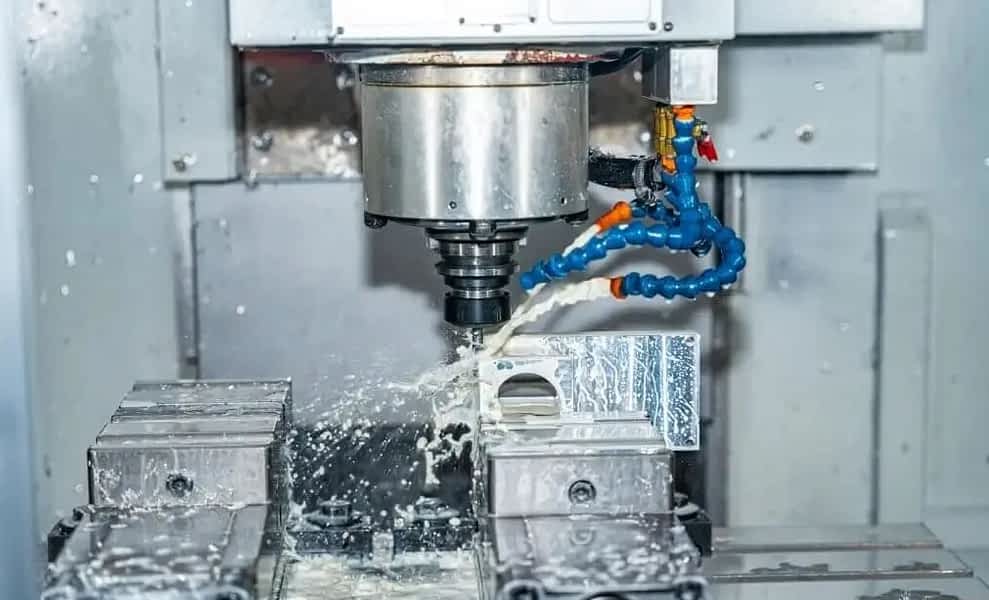
Effective cooling and lubrication are critical factors in optimizing CNC drilling operations. They play a crucial role in controlling temperature, reducing friction, extending tool life, improving surface finish, and ensuring the overall efficiency of the drilling process. Poor cooling and lubrication management can lead to excessive tool wear, thermal expansion, poor hole quality, and ultimately, higher operating costs.
In this section, we will explore how to effectively manage cooling and lubrication in CNC drilling, covering coolant and lubricant types, application techniques, system management, and best practices for different materials and drilling conditions.
9.1 The Importance of Cooling and Lubrication in CNC Drilling
In CNC drilling, high-speed tool rotation generates a significant amount of heat due to friction between the cutting tool and the workpiece. If not managed properly, this heat can lead to various negative consequences:
- Thermal expansion: Overheating can cause the tool and workpiece to expand, leading to inaccurate drill dimensions.
- Tool wear: High temperatures can accelerate tool wear, especially when machining harder materials such as stainless steel, titanium or Inconel. This can reduce tool life and increase downtime due to frequent tool changes.
- Poor surface finish: Heat and friction can damage the surface of the workpiece, leading to burr formation, rough edges, and poor surface quality.
- Chip evacuation problems: Without adequate cooling and lubrication, chips can stick to the drill bit, clogging the chip discharge groove, leading to tool breakage or poor hole quality.
Effective cooling and lubrication can address these issues by:
- Reduces friction between the tool and the workpiece.
- Manage the heat generated during the cutting process.
- Assist in chip evacuation.
- Improves overall tool life and surface finish.
9.2 Types of Coolants and Lubricants Used in CNC Drilling
Different coolants and lubricants serve different purposes depending on the material being drilled, the tools used, and the operating conditions. The most common types of cooling and lubricating fluids in CNC drilling include water-based coolants, oil-based lubricants, synthetic coolants, and mist lubricants.
9.2.1 Water-based coolant
Water-based coolants are the most widely used cooling solution in CNC drilling due to their excellent heat dissipation properties. They are often used in combination with additives to enhance lubrication, corrosion resistance, and reduce foaming.
- Constituent components: Water-based coolants are typically made from water mixed with soluble oils or chemical additives to improve their properties.
- Performance: Excellent cooling capacity, low cost, suitable for high-speed drilling operations.
- Cons:: If not properly managed, water-based coolants can cause rust on workpieces and machine parts, so regular maintenance may be required to avoid contamination.
9.2.2 Oil-based lubricants
Oil-based lubricants are primarily used for lubrication to reduce friction between the tool and the workpiece. These lubricants are particularly useful in low-speed drilling operations and machining difficult-to-machine materials such as stainless steel or titanium.
- Constituent components: These lubricants are usually made from mineral or synthetic oils and may contain additives to improve their thermal stability.
- Performance: Excellent lubrication performance, which can effectively extend the tool life and is effective for difficult-to-machine materials.
- Cons:: Compared to water-based coolants, oil-based lubricants have poor heat dissipation and may produce a smoke environment if ventilation is poor.
9.2.3 Synthetic coolant
Synthetic coolants are specially designed liquids that offer excellent cooling properties and a long lifespan. They are made from oil-free compounds, making them ideal for applications where cleanliness is paramount.
- Constituent components: Synthetic coolants are formulated with chemicals to provide superior cooling and corrosion resistance without the use of oil.
- Performance: High cooling efficiency, good chip removal performance, less foam. And it is not easy to cause bacterial growth in the system.
- Cons:: Synthetic coolants are more expensive than water-based coolants and may require special treatment.
9.2.4 Mist Lubrication (Micro Lubrication – MQL)
Atomized lubrication, also known as micro lubrication (MQL), refers to the spraying of a small amount of lubricant directly onto the cutting tool in the form of a fine mist. This method is becoming increasingly popular in CNC drilling due to its ability to reduce fluid consumption and improve environmental sustainability.
- Constituent componentsMQL uses a fine mist of oil-based lubricant, usually mixed with air, to apply a minimal amount of lubrication to the tool-workpiece interface.
- Performance: Significantly reduces lubricant consumption, improves tool life, cleaner working environment, and makes it easier to handle chips.
- Cons:: Less effective for high-speed drilling or materials that generate a lot of heat, as it may not provide adequate cooling.
| Coolant/lubricant type | Constituent components | Performance | Cons: |
|---|---|---|---|
| Water-based coolant | Water with soluble oils or additives | Excellent cooling effect and high cost performance, suitable for high-speed drilling | May rust and require regular maintenance |
| Oil-based lubricants | Mineral or synthetic oils | Superior lubrication performance for extended tool life and effective handling of hard materials | Poor heat dissipation and potential environmental issues |
| Synthetic coolant | Engineering chemical compounds | High cooling efficiency, less foaming, and long service life | Requires expensive professional handling |
| Mist Lubrication (MQL) | Oil-based mist mixed with air | Reduced fluid consumption and a clean working environment | Limited cooling capacity, not suitable for high-heat materials |
9.3 How to use coolant and lubricant in CNC drilling
Choosing the appropriate method for using coolants and lubricants is just as important as choosing the right fluid. During CNC drilling operations, several techniques can be used to efficiently deliver coolants and lubricants, each suited to specific applications and conditions.
9.3.1 Flood Coolant Applications
Flood cooling involves continuously applying a large amount of coolant to the cutting area to dissipate heat and lubricate the tool. This method is often used for high-speed drilling operations that generate a lot of heat.
- Best for:: High-speed drilling of metals, deep holes, and materials that produce overheating.
- Performance: Excellent cooling and lubrication effect, effectively flushing out chips and maintaining the temperature of the tool and workpiece.
- Cons:: High coolant consumption, which can lead to coolant waste and increased machine cleanup requirements.
9.3.2 High pressure coolant system
High-pressure coolant systems use pressurized coolant, typically between 1,000 and 5,000 PSI, to force coolant into the cutting zone. This method is particularly effective in deep hole drilling and difficult-to-machine materials, where chip evacuation is critical.
- Best for:: Deep hole drilling, high-strength materials such as titanium and Inconel, and operations with chip build-up issues.
- Performance: Superior chip evacuation performance, longer tool life, and better cooling of deep or narrow holes.
- Cons:: More expensive to install and maintain, and may require specialized equipment.
9.3.3 Spindle Center Cooling (TSC)
The spindle center cooling system delivers coolant directly into the tool, allowing for precise cooling and lubrication at the cutting edge. This technology is highly effective for both cooling and chip evacuation, especially in deep holes and difficult-to-machine materials.
- Best for:: Deep hole drilling, precision drilling, and high-speed operations that require enhanced cooling and lubrication.
- Performance: Cooling directly at the cutting edge increases tool life and improves chip evacuation from deep holes.
- Cons:: Requires specialized tools and machine modifications, which are more expensive upfront.
9.3.4 Spray Applications (MQLs)
As mentioned earlier, atomization or MQL uses a fine mist lubricant to reduce friction between the tool and the workpiece. This method is often used in environmentally friendly machining operations where reducing fluid consumption is a top priority.
- Best for:: Low to medium speed drilling, environmentally friendly operation, and materials that do not generate too much heat.
- Performance: Minimal fluid consumption, less environmental impact, and cleaner operation.
- Cons:: Limited cooling capacity, not suitable for high-speed or high-temperature operations.
9.3.5 Dry processing
Dry machining is a method that does not use coolants or lubricants. Instead, the process relies on optimizing cutting parameters and tool materials to control heat. This technique is sometimes used in environmentally conscious manufacturing environments.
- Best for:: a material that produces the least amount of heat, such as certain plastics or composites, and when environmental sustainability is a priority.
- Performance: Zero fluid consumption, no coolant disposal and cleaner operation.
- Cons:: Limited applicability, higher risk of tool wear and thermal damage in metal drilling.
9.4 Best Practices for CNC Drilling Cooling and Lubrication
Effectively managing cooling and lubrication in CNC drilling involves selecting the right fluids, using them correctly, and maintaining the system to ensure optimal performance. Here are some best practices to help improve cooling and lubrication in CNC drilling operations.
9.4.1 Choose the right coolant or lubricant
Selecting the appropriate coolant or lubricant is the first step in optimizing your CNC drilling operations. Factors to consider include:
- The material being drilled: Harder materials like titanium or stainless steel often require oil-based lubricants or high-pressure coolant systems to control heat and tool wear. Softer materials like aluminum may be better suited for water-based coolants.
- Drilling speed and depth: High-speed or deep hole drilling generates more heat and may require stronger cooling techniques such as flood cooling or spindle coolant.
- Environmental considerations: If reducing environmental impact is a priority, mist lubrication or dry machining may be the best choice.
9.4.2 Monitor coolant concentration and quality
Maintaining the correct concentration and quality of the coolant is essential to ensure its effectiveness. Over time, the coolant can become contaminated with metal particles, oil, or bacteria, which can reduce its performance.
- Concentration monitoring: Regularly test the coolant concentration using a refractometer or other measuring tool to ensure it remains within the recommended range.
- Filtration system: Use a filtration system to remove metal debris and contaminants from the coolant, ensuring that only clean coolant reaches the cutting area.
- Bacterial control: Use fungicides or antimicrobial additives in water-based coolants to prevent the growth of harmful bacteria that can degrade the coolant quality and cause unpleasant odors.
9.4.3 Adjust coolant flow and pressure
The coolant flow rate and pressure must be adjusted according to the specific drilling conditions to ensure proper heat management and chip evacuation.
- Flow rate: For high-speed drilling, ensure that the coolant flow rate is sufficient to continuously remove heat from the cutting area. Insufficient flow can lead to overheating and tool failure.
- stress: High-pressure coolant systems are essential for drilling deep holes or producing long, slender chips. Ensure that the system can deliver coolant at the desired pressure to optimize performance.
9.4.4 Regular system maintenance
Regular maintenance of the coolant and lubrication system is essential to ensure consistent performance and prevent breakdowns.
- Coolant replacement: Over time, coolants degrade and lose their effectiveness. Schedule regular coolant changes based on usage and contamination levels.
- Clean: Regularly clean the coolant tank, filter, and delivery system to remove sludge, debris, and other contaminants that may obstruct the flow of coolant.
- Leak check: Check the coolant delivery system for leaks or blockages, which can reduce the efficiency of cooling and lubrication.
9.4.5 Optimization of cutting parameters
Optimizing cutting parameters, such as spindle speed, feed rate, and depth of cut, can significantly improve the effectiveness of cooling and lubrication. Properly calibrated cutting parameters ensure that the tool does not overheat, and the coolant effectively controls heat and chip evacuation.
- Spindle speed and feed speed: Adjust the spindle speed and feed rate to ensure the tool does not generate excessive heat. Lower speeds require less cooling, while high-speed operations require more coolant or lubricant.
- depth of cut: In deep hole drilling, reducing the depth of cut or using a peck drill (incremental drilling) can help control heat generation and improve coolant penetration.
9.5 Case Study: Successful Cooling and Lubrication in CNC Drilling
Case Study 1: High-pressure coolants in aerospace drilling
An aerospace manufacturer faced challenges when drilling deep holes for titanium components for aircraft engines. The high temperatures generated during drilling lead to frequent tool wear and unstable hole quality. By switching to a high-pressure coolant system with spindle delivery, the manufacturer was able to improve chip evacuation, reduce tool wear by 25%, and increase overall production efficiency by 15%.
Case Study 2: Mist Lubrication in Eco-Friendly Machining
A manufacturer specializing in eco-friendly machining wanted to reduce fluid consumption and improve workplace safety. By employing atomized lubrication (MQL) in their CNC drilling operations, they reduced lubricant usage by 90%, eliminating the need for coolant treatment and improving the overall cleanliness of the shop floor. The company also saw a 10% increase in tool life due to reduced heat and friction in the cutting area.
How to solve common CNC drilling problems?
CNC drilling is an efficient process, but it also comes with some challenges. Several common issues can arise during drilling operations, affecting productivity, drilling quality, tool life, and overall efficiency. Addressing these issues promptly and taking preventive measures can significantly improve CNC drilling results. This section provides an overview of how to identify and address some of the most common issues encountered in CNC drilling, and provides strategies and best practices for keeping the drilling process smooth and effective.
10.1 Problem: Poor hole accuracy
One of the most common problems with CNC drilling is poor hole accuracy, where the hole can deviate from the intended position or size. This can impact the quality and functionality of the final product, especially in industries such as aerospace, automotive, or medical manufacturing, where precision is paramount.
Causes of poor hole accuracy
Several factors can contribute to poor hole accuracy, including:
- Tool deflection: When the drill bit is slightly bent due to force during drilling, the hole may not be positioned correctly.
- Machine calibration issuesOver time, CNC machines can lose their calibration, leading to inaccurate positions.
- Thermal expansion: Excessive heat buildup can cause the tool and workpiece to expand, affecting the size of the hole.
- Incorrect toolpath programming: Errors in the programming toolpath, such as incorrect offsets or drilling sequences, can also lead to poor accuracy.
Solutions to improve hole accuracy
- Reduced tool deflection: Opting for shorter, more robust drill bits allows for higher precision, especially in deep hole drilling. Adjust the feed rate and spindle speed to reduce cutting forces that cause deflection.
- Regular machine calibration: Ensure that the CNC machine is regularly calibrated to maintain positioning accuracy. This is especially important in multi-axis operations, where even small deviations can lead to significant positional errors.
- Controls thermal expansion: Efficient use of coolant systems to control heat buildup, considering temperature compensation features on modern CNC machines.
- Optimize toolpath programming: Double-check the toolpath programming to ensure that offsets, drilling sequences, and alignment with design specifications.
10.2 Problem: Broken tool
Tool breakage is a common issue in CNC drilling, especially when dealing with hard materials, high-speed operations, or deep hole drilling. Tool breakage not only causes production delays, but also damages the workpiece and increases costs due to material waste and downtime for tool replacement.
Causes of knife breakage
- Excessive cutting force: When the cutting force exceeds the strength of the drill bit, it can cause the tool to break or break.
- Improper tool selection: Using the wrong type of drill or inappropriate materials can lead to premature tool failure.
- Insufficient chip removal: In deep hole drilling or high-volume chip production, chips can clog the drill bit’s groove, causing overheating and eventual breakage.
- Incorrect feed rate and speed: Setting the feed speed too high or the spindle speed too low can cause the cutting force to exceed the tool’s capacity.
Solutions to prevent tool breakage
- Use high-quality tools: Choose a drill bit made of a material suitable for the specific workpiece material, for example, carbide or cobalt for harder metals.
- Implement pecking: For deep holes, the pecking drill technique (G83) breaks down the drilling process into smaller increments, which helps evacuate chips and reduces tool load.
- Monitor cutting parameters: Optimize feed rate and spindle speed to balance cutting forces and avoid tool overload. For example, reduced feed rates when drilling through hard materials like titanium or Inconel.
- Use spindle center coolant: For high-speed or deep drilling, spindle center coolant can help control heat and remove chips effectively, reducing the risk of tool breakage.
10.3 Problem: Burr Formation
Burrs are redundant protrusions or raised edges on the drilled surface that can negatively impact the aesthetics and functionality of the part. Burr formation is a common problem, especially when drilling softer metals like aluminum or plastic, and often requires additional deburring operations, which can add time and cost.
Causes of burr formation
- Incorrect tool geometry: Improper drill bit angles or worn cutting edges can increase the likelihood of burrs.
- Material properties: Softer materials like aluminum or copper are more prone to burrs because they are more prone to deformation under cutting forces.
- Cutting too fast: When drilling at high speeds, softer materials tend to bend or tear rather than cut cleanly, resulting in burrs.
Solutions to reduce burr formation
- Use the appropriate tool geometry: Choose a drill bit with the appropriate geometry, such as a sharper cutting edge and optimal sharp corners, to reduce burr formation.
- Reduce cutting speed: When drilling softer materials, reducing the cutting speed allows for cleaner cuts with fewer burrs.
- Deburring tool: For materials prone to burrs, using specialized deburring tools or reamers after drilling can effectively remove burrs.
10.4 Problem: Inconsistent surface finish
Achieving a consistent surface finish is crucial, especially in industries that require high-quality finishes for functional and aesthetic purposes. Inconsistent surface finishes in CNC drilling can lead to rough, uneven, or scratched surfaces, which may require additional post-processing, impacting production efficiency.
Causes of inconsistent surface finish
- Tool wear: Worn tools can cause rough and uneven surfaces because the cutting edge no longer cuts the material cleanly.
- Improper use of coolant: Insufficient cooling or lubrication during drilling can lead to friction and overheating, affecting surface finish quality.
- Vibration or tool deflection: Excessive vibration or tool deflection can cause the drill bit to move unevenly, leading to surface defects.
Solutions for consistent surface finishes
- Regular tool maintenance: Regularly replace worn tools to maintain sharp cutting edges and ensure a smooth surface finish.
- Optimize coolant flow: Ensure adequate coolant flow to control heat and reduce friction, preventing overheating and surface damage.
- Stabilize tools and workpieces: Minimizes vibration by using a rigid workholding system and selecting the appropriate feed rate and speed to reduce tool deflection.
10.5 Problem: Excessive tool wear
Tool wear is inevitable during CNC drilling, especially when drilling hard materials or performing high-speed operations. However, excessive tool wear can lead to increased downtime, poor hole quality, and increased operating costs due to frequent tool replacements.
Causes of excessive tool wear
- High cutting temperature: Excessive heat generated during drilling can accelerate tool wear, especially when machining hard materials like stainless steel, titanium, or inconel.
- Improper cutting parameters: Running a drill bit at an inappropriate speed or feed rate can lead to higher cutting forces and faster tool wear.
- Insufficient lubrication: Insufficient lubrication or coolant can lead to increased friction, increased temperature, and accelerated wear.
- The tool material is incorrect: Using tools that are not suitable for the workpiece material can lead to rapid wear and tool failure.
Solutions to reduce tool wear
- Choose the right tool material: When drilling abrasives or hard materials, use harder, more wear-resistant materials such as carbide or coated drill bits (TiN, TiAlN, or diamond coating).
- Optimize cutting speed and feed: Adjust spindle speed and feed speed to match workpiece material and tool specifications, reducing unnecessary tool wear.
- Ensure proper cooling and lubrication: Maintain proper coolant flow and pressure to reduce friction and heat at the cutting edge, thereby extending tool life.
- Use a coating cutter: Tools coated with materials like titanium nitride (TiN) or diamond are more resistant to wear and tear, especially in high-temperature or abrasive applications.
10.6 Problem: Poor chip drainage
Inadequate chip evacuation is a common problem, especially when drilling deep holes or machining materials like aluminum that can produce long, slender chips. Inadequate chip evacuation can lead to tool breakage, poor hole quality, and overheating.
Causes of poor chip evacuation
- Deep hole drilling: In deep holes, chips may not be efficiently expelled from the hole, causing chips to accumulate in the grooves of the drill bit.
- Incorrect coolant flow: Insufficient coolant flow or pressure may not remove chips from the cutting area, leading to clogging.
- The drill bit geometry is wrong: The drill bit’s groove design may not be effective in removing debris, especially when producing large quantities of debris.
Solutions to improve chip evacuation
- Use a peck drill: In deep hole drilling, the pecking method (G83) is used to break down the drilling process into smaller steps for regular chip evacuation.
- High pressure coolant: Utilizes a high-pressure coolant system to powerfully remove debris from holes, especially in deep or narrow holes.
- Choose the right bit geometry: Choose a drill bit with optimized groove geometry for better chip flow, especially when machining materials like aluminum or copper that produce longer chips.
10.7 Problem: Overheating during drilling
Overheating is a significant issue in the CNC drilling process, leading to reduced tool life, poor hole quality, and even workpiece damage. Heat management during drilling operations is crucial for maintaining tool performance and hole accuracy.
Causes of overheating
- High cutting speed: Running a machine at an excessively high cutting speed generates more heat than the cooling system can handle.
- Insufficient coolant supply: Insufficient coolant flow or improper coolant application can lead to heat buildup in the cutting area.
- The feed rate is too high: High feed rates increase the contact time between the tool and the workpiece, resulting in more friction and heat.
Solutions to prevent overheating
- Optimize cutting parameters: Reduces cutting speed and feed rate to a level that generates less heat while maintaining an efficient material removal rate.
- Enhanced coolant flow: Increases the flow rate and pressure of the coolant to dissipate heat more efficiently. In high-heat applications, consider using spindle center coolant.
- Use heat-resistant tools: When drilling, use tools made of heat-resistant materials such as carbide or apply coatings such as TiAlN to help dissipate heat.
FAQs
1. What is the ideal speed for CNC drilling for various materials?
The ideal speed depends on the material of the drilling. Softer materials like aluminum require higher spindle speeds (3,000-6,000 RPM), while harder materials like steel and titanium require lower speeds (500-1,500 RPM). Always refer to the tool manufacturer’s recommendations and adjust according to the tool diameter and workpiece material.
2. How to choose the right CNC drilling coolant?
Coolant is selected according to the material and processing conditions. Water-based coolants are suitable for general-purpose drilling and heat dissipation, while oil-based lubricants are better suited for difficult-to-machine materials such as stainless steel and titanium. Synthetic coolants are preferred for high-performance applications, and atomized lubrication (MQL) is used when fluid consumption needs to be minimized.
3. What are the factors that affect tool wear in CNC drilling?
Tool wear is affected by cutting speed, feed rate, material hardness, coolant application, and tool material. High temperatures, inadequate cooling, and the use of tools that are not suitable for the material can accelerate wear. Regular tool maintenance and selecting appropriate cutting parameters are essential.
4. How to minimize bit deflection when CNC drilling?
To minimize bit deflection, use a shorter bit, lower feed rate, and use a stronger tool holder for improved tool stiffness. Proper workholding and choosing the right speed can also reduce deflection, especially in deep hole drilling.
5. What is a peck drill? When should you use it?
Pecking is a technique in which the drill bit is retracted periodically during drilling to remove chips and reduce heat buildup. It is commonly used for deep hole drilling or drilling materials that produce long chips to prevent tool clogging and overheating.
6. How to drill small holes with high precision?
Drilling small holes requires low speed, high feed rate, and high-quality micro drill bits. Make sure the machine is properly calibrated and use spindle coolant to control heat. Precision workholding is also crucial for maintaining accuracy.
7. How to calculate the feed rate for CNC drilling?
The feed rate is calculated using the formula:
Feed rate (mm/min) = RPM x number of edges x feed per tooth (mm).
Feed per tooth varies depending on material and tool size; Consult the tool manufacturer’s guidelines to ensure accurate feed rates.
8. What are the safety precautions for CNC drilling operations?
Wear appropriate personal protective equipment (PPE) to ensure the workpiece is securely clamped, verify correct tool selection, and monitor spindle speed and feed rate to prevent tool breakage. The emergency stop button should be within easy reach and machine guards must be installed.
9. Can CNC drilling be used for composite materials?
Yes, CNC drilling can be used for composite materials, but special care must be taken to avoid delamination. Tools with specific geometries, such as diamond-coated drill bits, work well. Use slower spindle speeds and ensure proper chip removal to avoid damaging the workpiece.
10. How to extend the life of the drill bit when CNC drilling?
Use the right drill bit material (carbide is suitable for harder materials), optimize cutting speed and feed rate, apply proper cooling and lubrication, and maintain the tool regularly. Coated drill bits, such as TiN or TiAlN, also improve durability.
11. What is the difference between CNC drilling and boring?
CNC drilling creates initial holes, while boring enlarges or finishes existing holes to achieve precise dimensions. Drilling is commonly used for roughing, while boring is a finishing process that improves the accuracy and surface quality of the hole.
12. How to handle drill-through hardened materials?
Use carbide or cobalt drills, reduce spindle speed, and apply adequate cooling to control heat buildup. For very hard materials, pre-drilling with a smaller drill bit and using a pecking cycle can help maintain tool life.
13. What is a drilling cycle? How is it used in CNC drilling?
Drilling cycles are predefined series of machine movements (such as G81 or G83) that automate the drilling process, controlling depth, speed, and retraction. It is used to simplify programming and improve efficiency in repetitive drilling tasks.
14. How does tool coating affect CNC drilling performance?
Tool coatings such as titanium nitride (TiN) or aluminum titanium nitride (AlTiN) reduce friction, improve heat resistance, and extend tool life. Coating tools are essential for drilling and machining hard or abrasive materials at high speeds.
15. Can CNC drilling enable automated mass production?
Yes, CNC drilling can be fully automated using automatic tool changers (ATCs), advanced CNC programming, and robotic systems. This is ideal for high-volume production that requires consistency, efficiency, and precision.